Thursday, October 15, 2026
1,500-Year-Old Burials Uncovered in Mexico
Ancient Engineering

1,500-Year-Old Burials Uncovered in Mexico

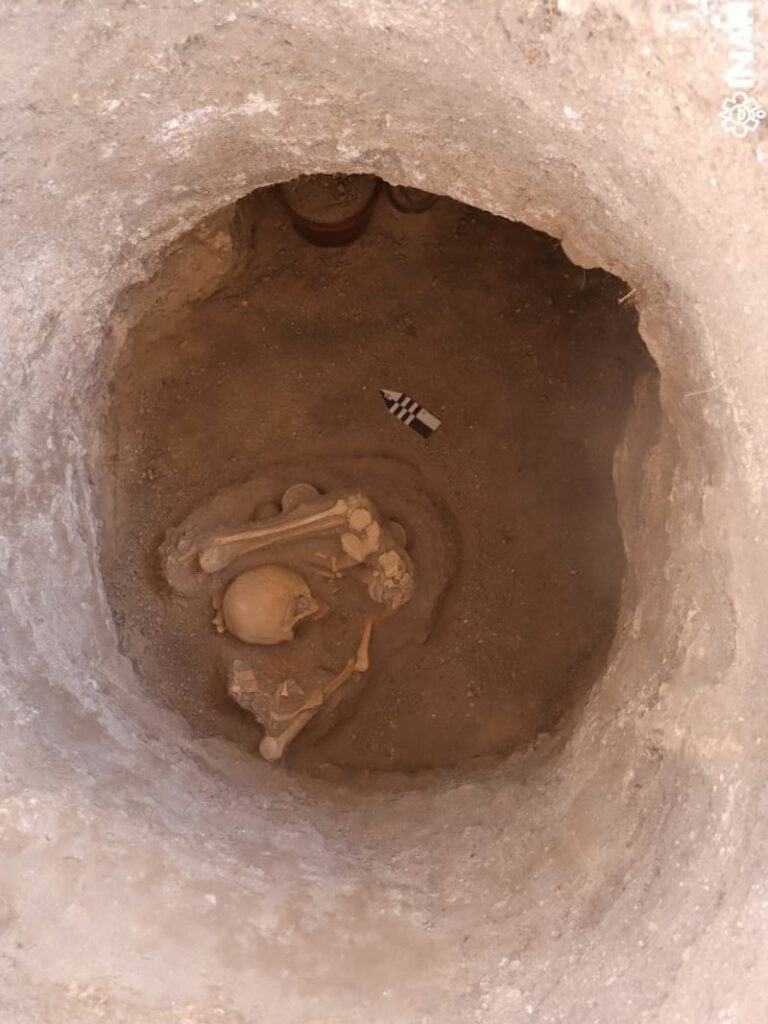
Burial, Tula, Mexico IGNACIO ZARAGOZA, MEXICO—According to the Greek Reporter, eight burials and 47 ceramic vessels were found in a tomb at Tula, an archaeological zone in central-eastern Mexico, during an investigation conducted by researchers from Mexico’s National Institute of Anthropology and History in advance of the Mexico City–Queretaro Passenger Train construction project. Archaeologist Víctor…
Spain’s Neanderthals Preferred Seasonal Shellfish

BARCELONA, SPAIN—Analysis of 115,000-year-old marine mollusk remains from southeastern Spain’s Los Aviones Cave suggests that Neanderthals followed a seasonal pattern when collecting shellfish, according to a statement released by the Autonomous University of Barcelona. Such seasonal planning had previously been thought to be a skill possessed solely by modern humans. Researchers led by Asier García-Escárzaga…

19th-Century Portuguese Dental Bridge Examined
Ancient Engineering

19th-Century Portuguese Dental Bridge Examined

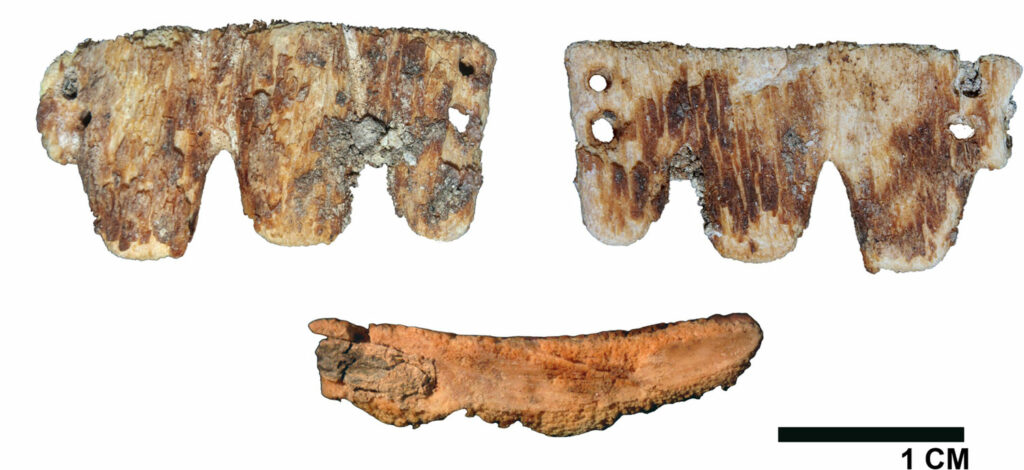
LISBON, PORTUGAL—According to a Phys.org report, a nineteenth-century dental bridge resembling three U-shaped teeth was unearthed at the site of a hospital cemetery in northwestern Portugal. The device likely served an aesthetic purpose rather than a functional one, according to Steffi Vassallo of the University of Lisbon. The bridge was found with the remains of…

Lost for 150,000 years: Rainforest discovery upends human history

For decades, scientists believed ancient humans avoided dense rainforests, treating them as nearly impossible environments for early survival. But a groundbreaking discovery in West Africa is rewriting that story. Researchers uncovered evidence that humans were living deep within rainforest environments in present-day Côte d'Ivoire around 150,000 years ago — far earlier than anyone thought possible.

Mercury Detected in Medieval Lepers’ Dental Calculus
Ancient Engineering

Mercury Detected in Medieval Lepers’ Dental Calculus

Human remains in a grave at the Saint-Thomas d'Aizier Leprosarium, Normandy, France ROME, ITALY—Phys.org reports that Elena Fiorin of Sapienza University of Rome and her colleagues looked for mercury in samples of dental calculus taken from the remains of people buried at two medieval lepers’ hospitals, or leprosaria—Peterborough Abbey in England, which was founded in…

Did the Layout of the Roman Forum Impact Political Speech?

ROME, ITALY—According to a Science in Poland report, a new study of changes to the layout of the Roman Forum over time suggests that it may have been harder for large sections of the crowd to hear political speeches and see the gestures that accompanied them during the Imperial period. Orators delivered their messages from…

Human Remains Found on the Plain of Jars in Laos
Ancient Engineering

Human Remains Found on the Plain of Jars in Laos

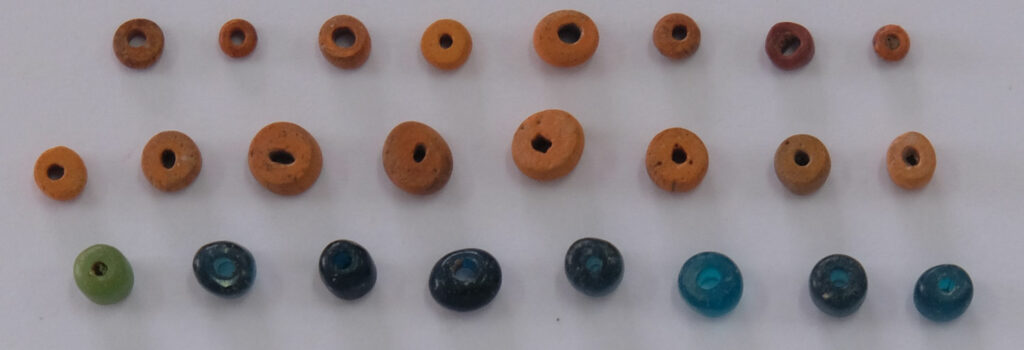
Glass beads NORTH QUEENSLAND, AUSTRALIA—The disarticulated remains of multiple generations of people and imported glass beads have been discovered in a large jar at Site 75 on the Plain of Jars in northern Laos, Live Science reports. More than 2,000 stone jars ranging in size from about three to 10 feet tall have been found…

4,500-Year-Old Alcoholic Beverages Identified in Poland
Ancient Engineering

4,500-Year-Old Alcoholic Beverages Identified in Poland

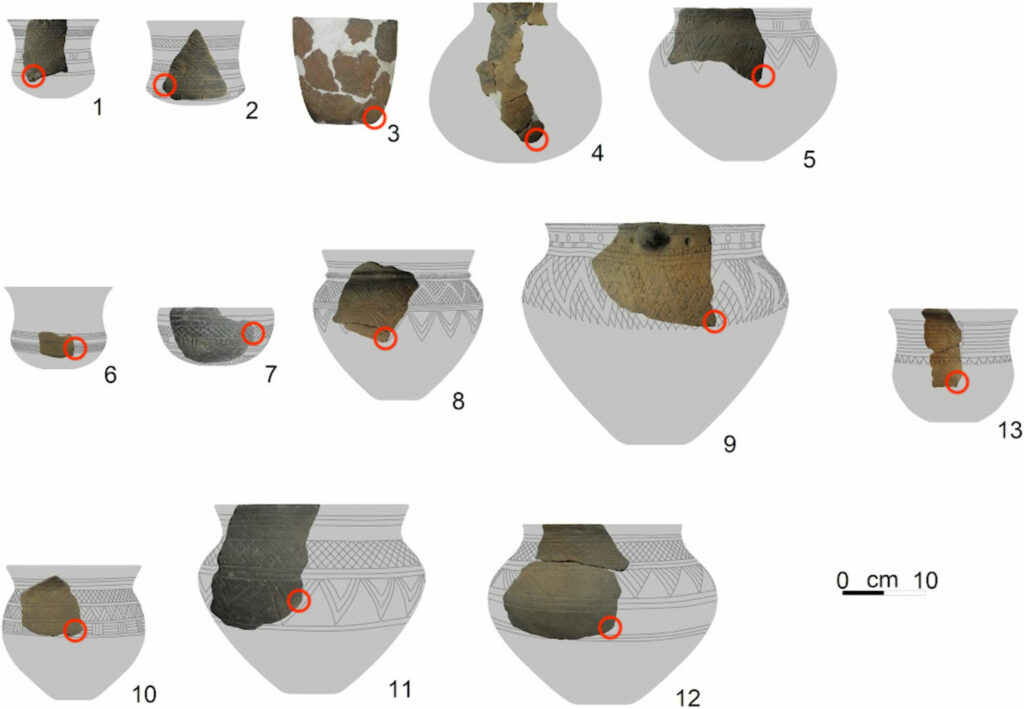
WARSAW, POLAND—Science in Poland reports that traces of fermented alcoholic beverages have been detected on 4,500-year-old vessels uncovered in northeastern Poland by a team of researchers led by Dariusz Manasterski of the University of Warsaw. The 13 vessels in the study were found at several different sites linked to the Bell Beaker culture. The residues…