


Thursday, October 15, 2026

Developers: Get Your Medical Mobile App Verified By IEEE

Patients who use mobile applications to manage medical conditions including depression and chronic pain might assume the apps have been evaluated by regulatory agencies to be safe and effective. But that isn’t necessarily the case.Most of the more than 55,000 medical apps that claim to diagnose or treat a condition—or ones that provide clinical decision…
Bronze Age Pigeon Bones on Cyprus Studied

GRONINGEN, THE NETHERLANDS—According to a statement released by Antiquity, analysis of pigeon bones from the site of Hala Sultan Tekke, a harbor city on the island of Cyprus, suggests that the birds (Columba livia) were semidomesticated as early as 1400 B.C. This is about 1,000 years earlier than was previously thought based on the remains…

Early Herders in East Africa Continued to Collect Wild Foods

VANCOUVER, CANADA—Analysis of isotope levels in teeth from more than 100 people who lived between 9,500 and 200 years ago in Kenya and Tanzania suggests that people continued to fish, hunt wild game, and collect plants for food for more than 1,000 years after they began keeping livestock, according to a statement released by the…

Whalers’ Remains Unearthed in Norway
Ancient Engineering

Whalers’ Remains Unearthed in Norway

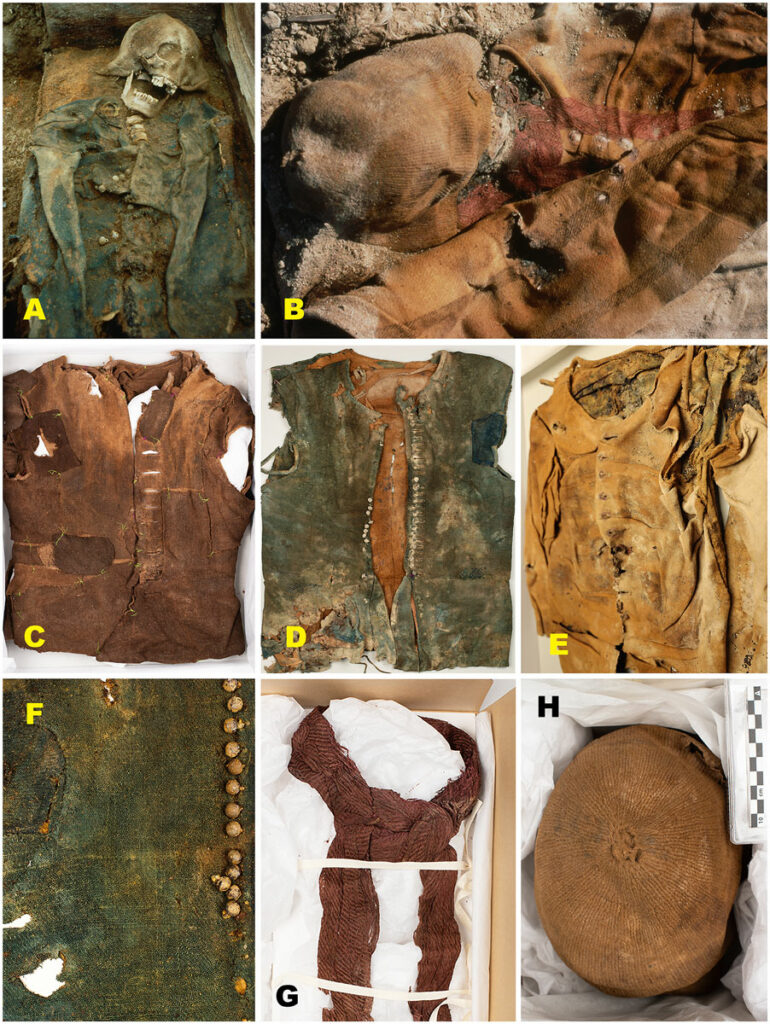
Garments preserved in whalers' burials from the site of Likneset in Norway's Svalbard archipelago SVALBARD, NORWAY—The remains of 20 whalers have been uncovered in a High Arctic cemetery damaged by rapid warming by Lise Loktu of the Norwegian Institute for Cultural Heritage Research and Elin Therese Brødholt of Oslo University Hospital, according to a Live…

Scientists solve 320-million-year mystery of reptile bone armor

Reptiles have been growing armor in their skin on and off for hundreds of millions of years, but scientists never fully understood how it evolved. A massive new evolutionary study shows these skin bones appeared independently in multiple lizard groups rather than coming from a single armored ancestor. Even more astonishing, Australian goannas lost this…

Spain’s Neanderthals Preferred Seasonal Shellfish

BARCELONA, SPAIN—Analysis of 115,000-year-old marine mollusk remains from southeastern Spain’s Los Aviones Cave suggests that Neanderthals followed a seasonal pattern when collecting shellfish, according to a statement released by the Autonomous University of Barcelona. Such seasonal planning had previously been thought to be a skill possessed solely by modern humans. Researchers led by Asier García-Escárzaga…

1,500-Year-Old Burials Uncovered in Mexico
Ancient Engineering

1,500-Year-Old Burials Uncovered in Mexico

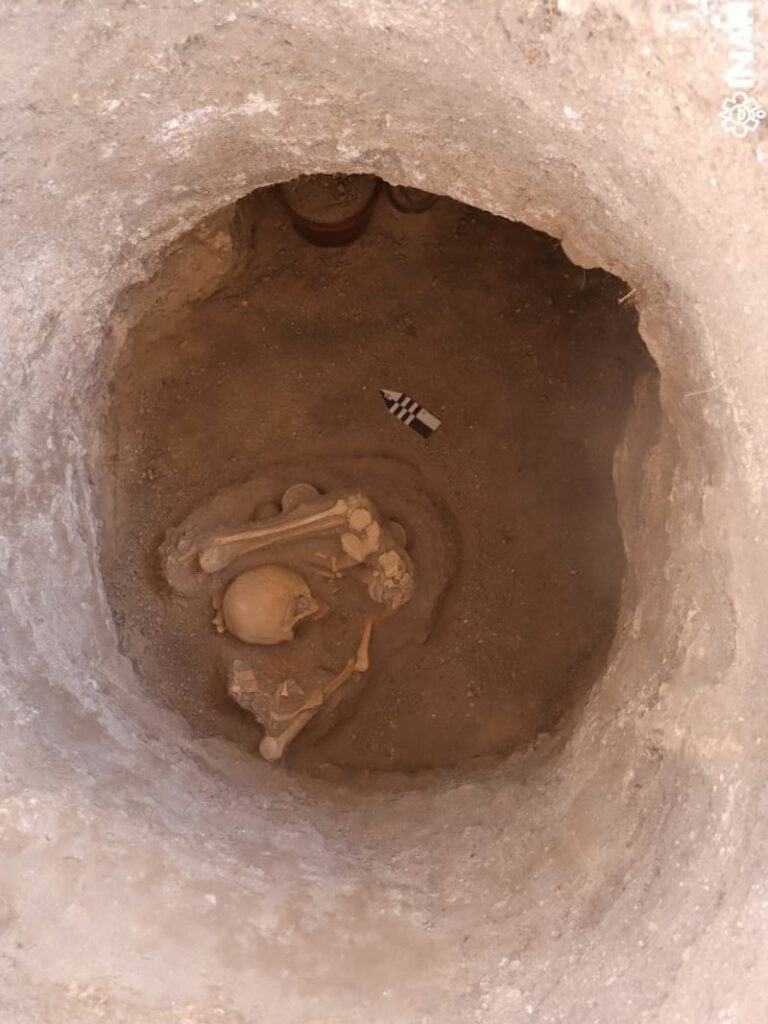
Burial, Tula, Mexico IGNACIO ZARAGOZA, MEXICO—According to the Greek Reporter, eight burials and 47 ceramic vessels were found in a tomb at Tula, an archaeological zone in central-eastern Mexico, during an investigation conducted by researchers from Mexico’s National Institute of Anthropology and History in advance of the Mexico City–Queretaro Passenger Train construction project. Archaeologist Víctor…