
Sunday, October 18, 2026

FLOPs vs Real Work: The Importance of Replication in AI Efficiency Assessment

arXiv:2608.14550v1 Announce Type: new Abstract: AI efficiency has recently taken the spotlight in both academy and industry due to massive model scales, high energy demands, and environmental costs. While reporting Floating Point Operations (FLOPs) is a traditional approach for assessing computational costs, the relationship between FLOPs and execution time is not straightforward, as layers with…
We still don’t know how people are really using AI

AI companies like Anthropic and OpenAI regularly publish reports on how people are using products like Claude and ChatGPT, but they only release the data they want us to see, AI researchers say.  “There is no independent source to corroborate it,” says Anka Reuel, a computer science PhD candidate at the Stanford Trustworthy AI Research…

What Flock’s defenders are missing

This story originally appeared in The Algorithm, our weekly newsletter on AI. To get stories like this in your inbox first, sign up here. Flock, the police-tech giant known for its network of some 120,000 automatic license plate readers around the US, announced some changes to its platform last Thursday. The updates are meant to prevent…

The role of the astronaut is in flux
AI

The role of the astronaut is in flux

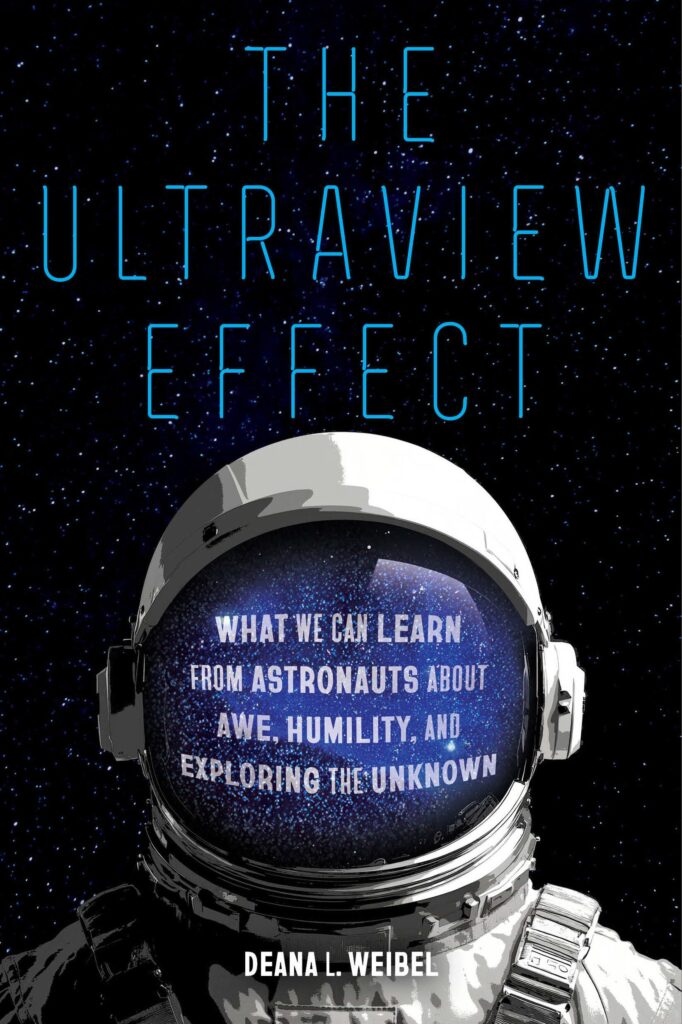
When the four astronauts on board NASA’s Artemis II swung around the moon earlier this year, they set a new record for the farthest humans have ever ventured from Earth, surpassing the distance set by Apollo 13 in 1972 by some 4,000 miles.  While no space mission can live up to the historic touchdown of…

Designing a Persistent Knowledge Layer That Refuses to Guess

RAG Retrieves, It Never Remembers. A vendor-neutral blueprint for applications that accumulate understanding. Includes a complete Azure-native implementation (Microsoft Foundry, Azure AI Search, Cosmos DB, FastAPI) mapped to a property-insurance corpus.  The post Designing a Persistent Knowledge Layer That Refuses to Guess appeared first on Towards Data Science.