


Thursday, October 8, 2026
Who Suffered During a Plague Outbreak?
Ancient Engineering

Who Suffered During a Plague Outbreak?

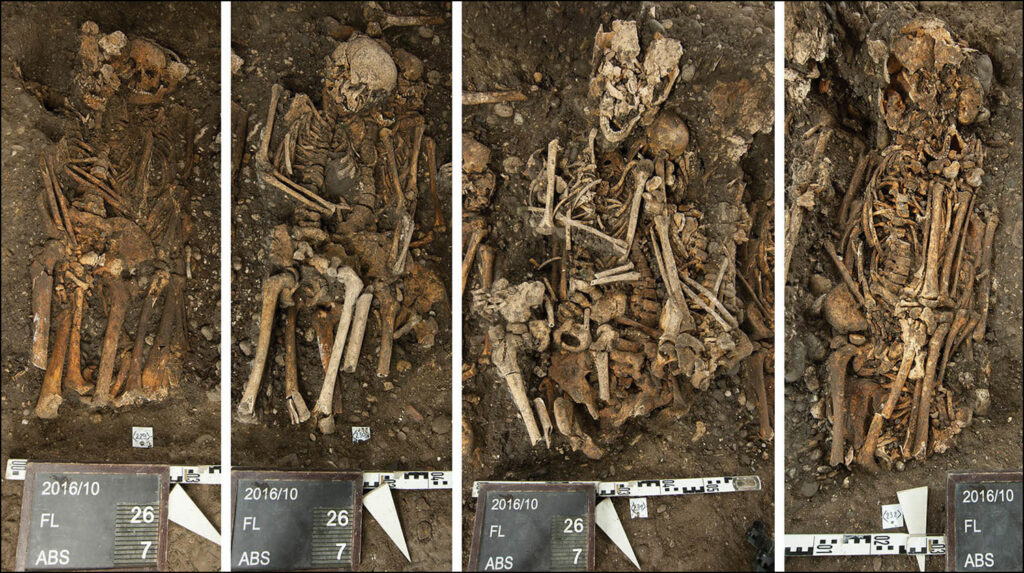
BASEL, SWITZERLAND—According to a statement released by Antiquity, analysis of skeletal remains recovered from a seventeenth-century hospital cemetery in Basel, Switzerland, suggests that young laborers were the people most likely to die during an outbreak of plague. As a trade center that drew people in from abroad, the city of Basel was vulnerable to the…
Mammal ancestors laid eggs, and this 250-million-year-old fossil finally proves it

In the aftermath of Earth’s most catastrophic extinction event, one unlikely survivor rose to dominate a shattered world: Lystrosaurus. Now, a stunning fossil discovery—an ancient egg containing a curled-up embryo—has finally answered a decades-old mystery about whether mammal ancestors laid eggs. Using advanced imaging technology, scientists confirmed that these resilient creatures did reproduce this way,…

Stele Fragments from South Korea’s Wolseong Palace Reunited
Ancient Engineering

Stele Fragments from South Korea’s Wolseong Palace Reunited

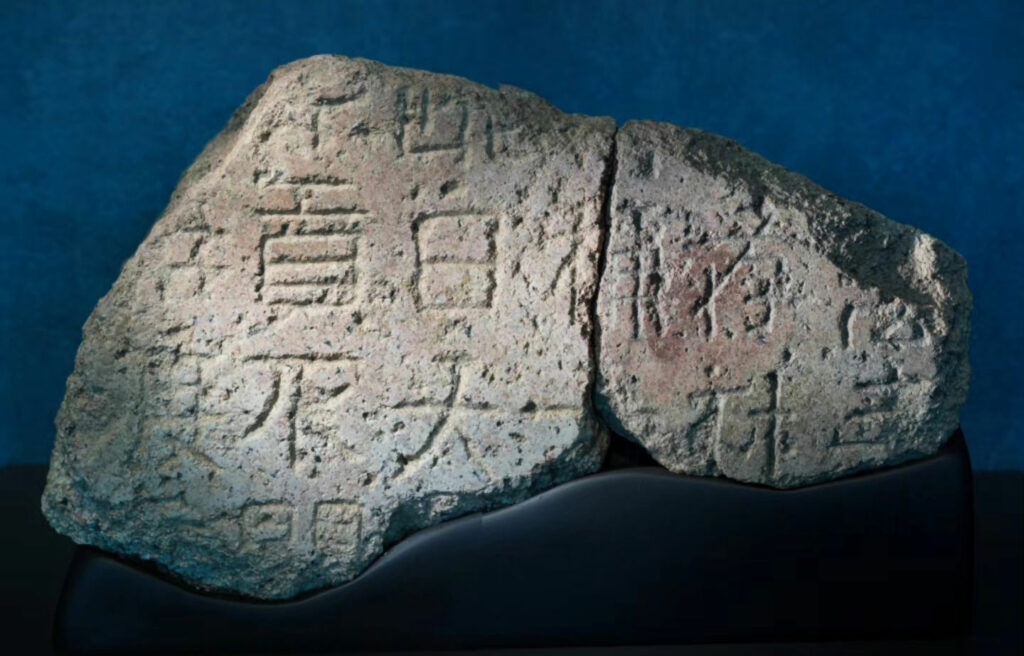
Silla stele fragments GYEONGJU, SOUTH KOREA—Korea JoongAng Daily reports that an inscribed fragment of stone discovered in 1937 at the Wolseong Palace in southeastern South Korea—and another, larger fragment discovered in 2020—belong to the same stele. The smaller fragment, found in the western section of the palace, has been housed at the Gyeongju National Museum.…

Aqueduct Uncovered at Roman Army Camp in Slovakia
Ancient Engineering

Aqueduct Uncovered at Roman Army Camp in Slovakia

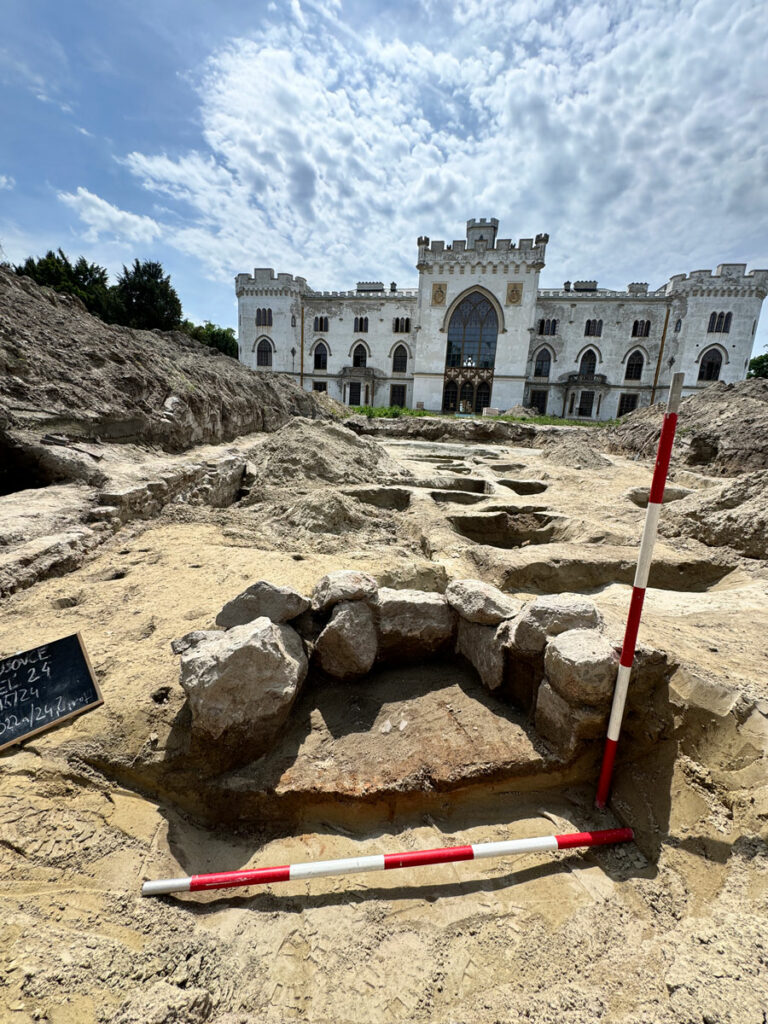
Excavation of Roman aqueduct, Rusovce, Slovakia BRATISLAVA, SLOVAKIA—The Slovak Spectator reports that a second Roman aqueduct was discovered in the Rusovce section of southern Bratislava during renovations at the Rusovce Chateau. A Roman camp housing some 1,000 soldiers stood on the site from the second century to the fourth century A.D. “We can now speak…

Roman Emperor Identified on Karnak Stele
Ancient Engineering

Roman Emperor Identified on Karnak Stele

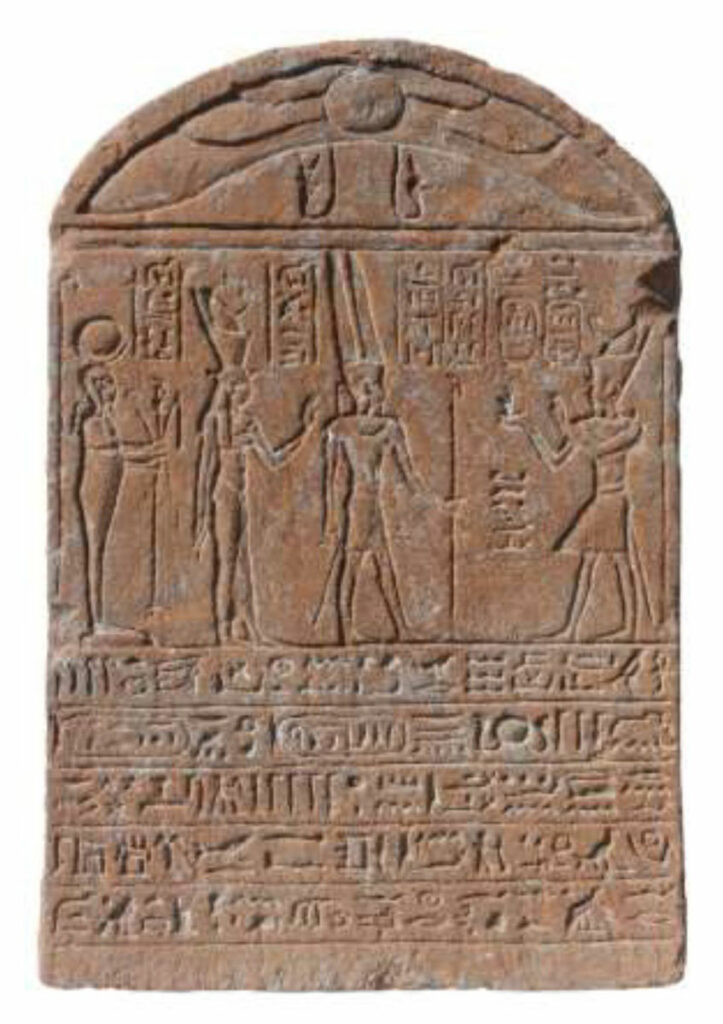
Stele engraved with depiction of Tiberius and the gods Amun, Mut, and Khonsu LUXOR, EGYPT—Restoration work on a gate to the north of the Karnak temple complex has uncovered a 2,000-year-old stele depicting the Roman emperor Tiberius, according to a Live Science report. The emperor, who ruled from A.D. 14 to 37, is shown with…

Lost Ancient Automatic Weapon Fired at Pompeii?
Ancient Engineering

Lost Ancient Automatic Weapon Fired at Pompeii?

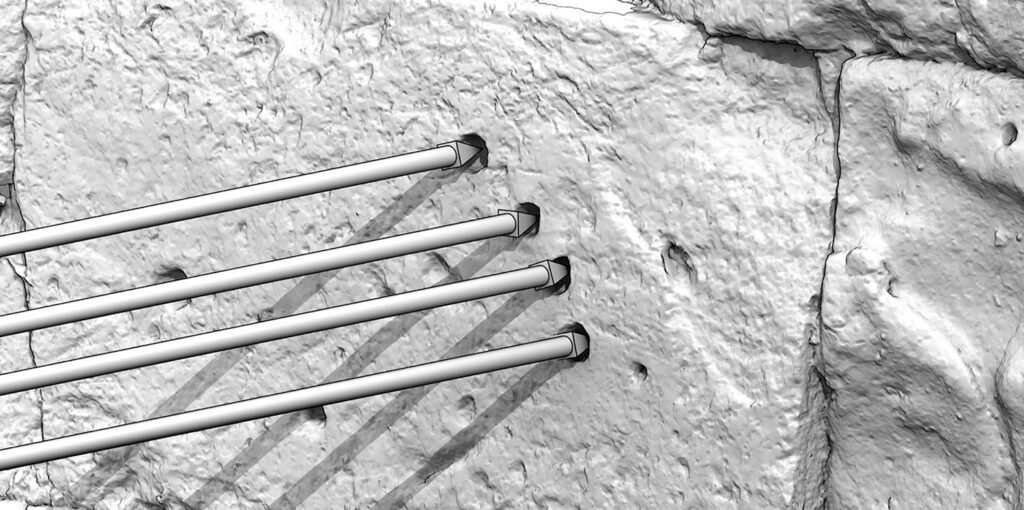
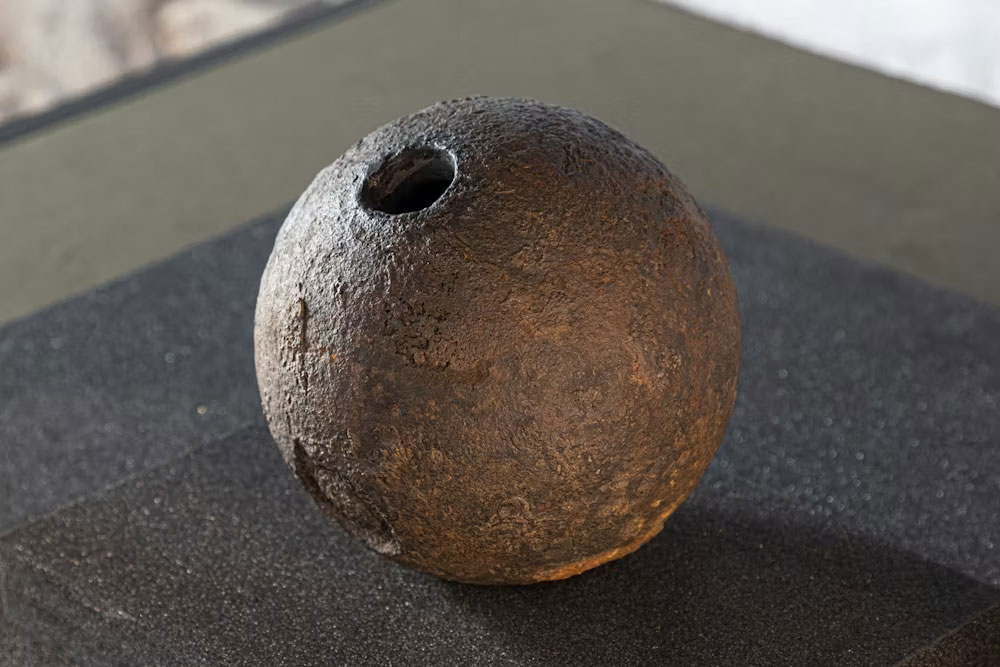
Digital reconstruction of hypothesized polybolos bolt impacts AVERSA, ITALY—The polybolos has long been a legendary weapon of Roman military might, both in the sense that it could inflict tremendous damage and that it may never have existed. But archaeologists and engineers from the University of Campania Luigi Vanvitelli and the University of Bologna have identified…

Tracking Neanderthal Turtle Hunters
Ancient Engineering

Tracking Neanderthal Turtle Hunters

This Illustration shows a European pond turtle crawling next to the foot of a European straight-tusked elephant. NEUMARK-NORD, GERMANY—A new analysis of turtle shell fragments unearthed at the Paleolithic site of Neumark-Nord in the German state of Saxony-Anhalt suggests Neanderthals regularly hunted the diminutive European pond turtle. A team led by archaeologist Sabine Gaudzinski-Windheuser from…

Sacred Water Complex Unearthed in North Sinai
Ancient Engineering

Sacred Water Complex Unearthed in North Sinai

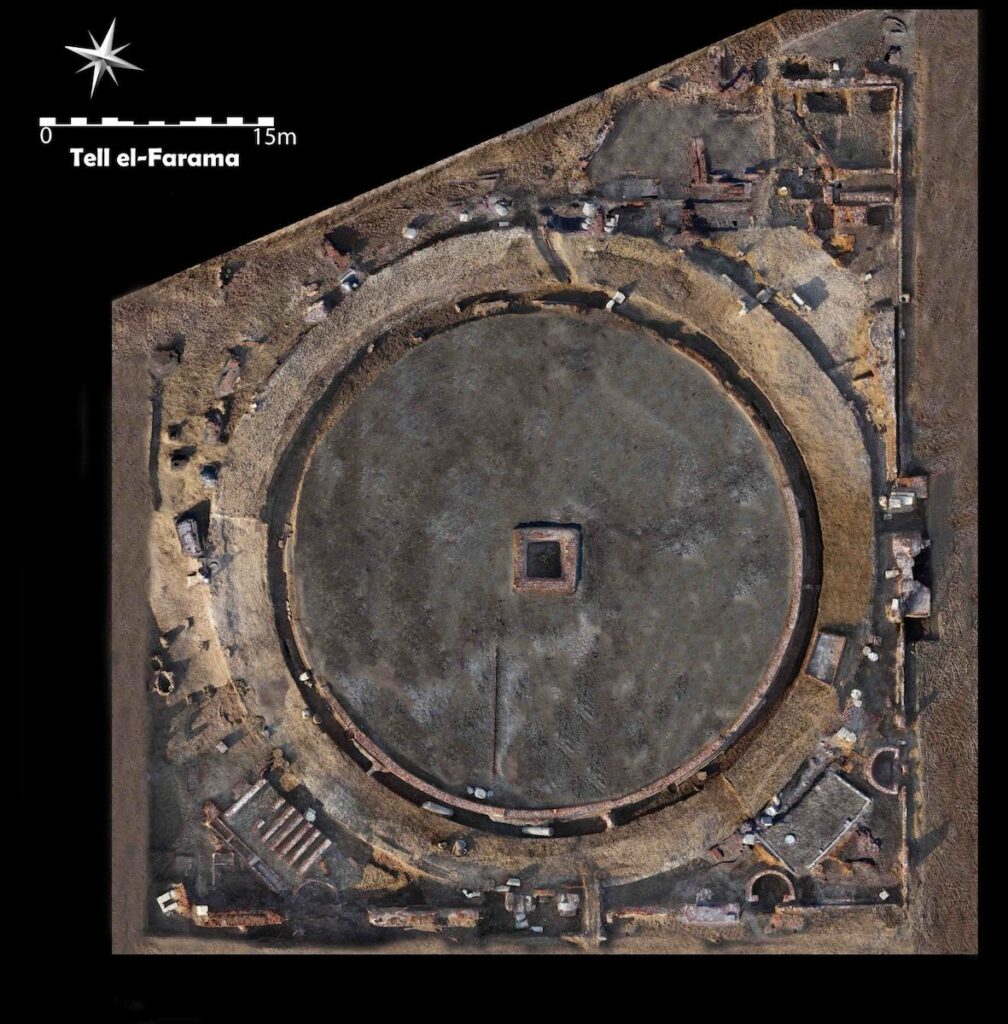
Aerial view of ritual complex, Tell el-Farama, Egypt TELL EL-FARAMA, EGYPT—Archaeologists have unearthed a religious complex with a central pool dedicated to water rituals at the ancient city of Pelusium in northeastern Egypt, Ahram Online reports. In antiquity, the circular basin, which measures 115 feet in diameter and is enclosed by red brick walls, was…