Thursday, October 15, 2026
Periodontal Disease May Have Influenced Human Evolution
Ancient Engineering

Periodontal Disease May Have Influenced Human Evolution

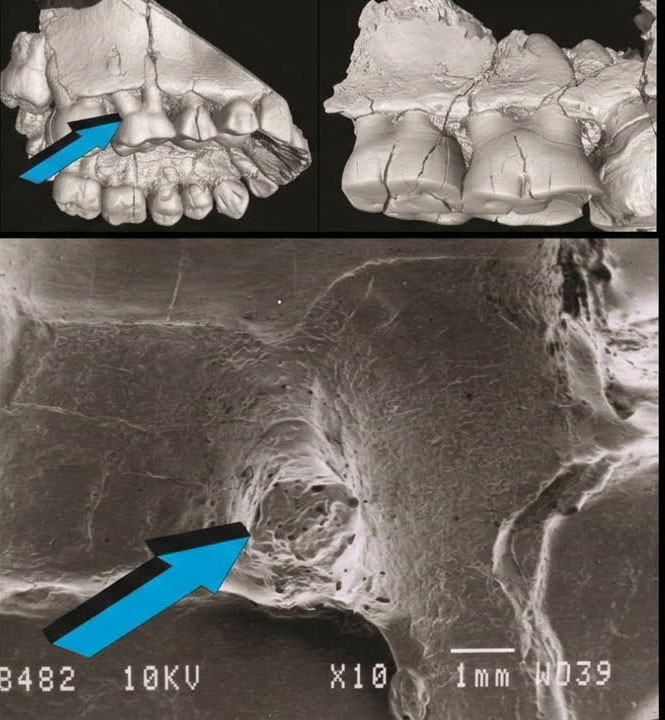
3D virtual reconstructions and scanning electron microscopy show horizontal alveolar bone loss in hominin dental fossil remains. JOHANNESBURG, SOUTH AFRICA—According to a statement released by the University of the Witwatersrand, gum disease and its possible effects on facial structure may have contributed to the evolution of modern humans. A team of researchers including Ugo Ripamonti…
Princely Tomb Unearthed in Italy
Ancient Engineering

Princely Tomb Unearthed in Italy

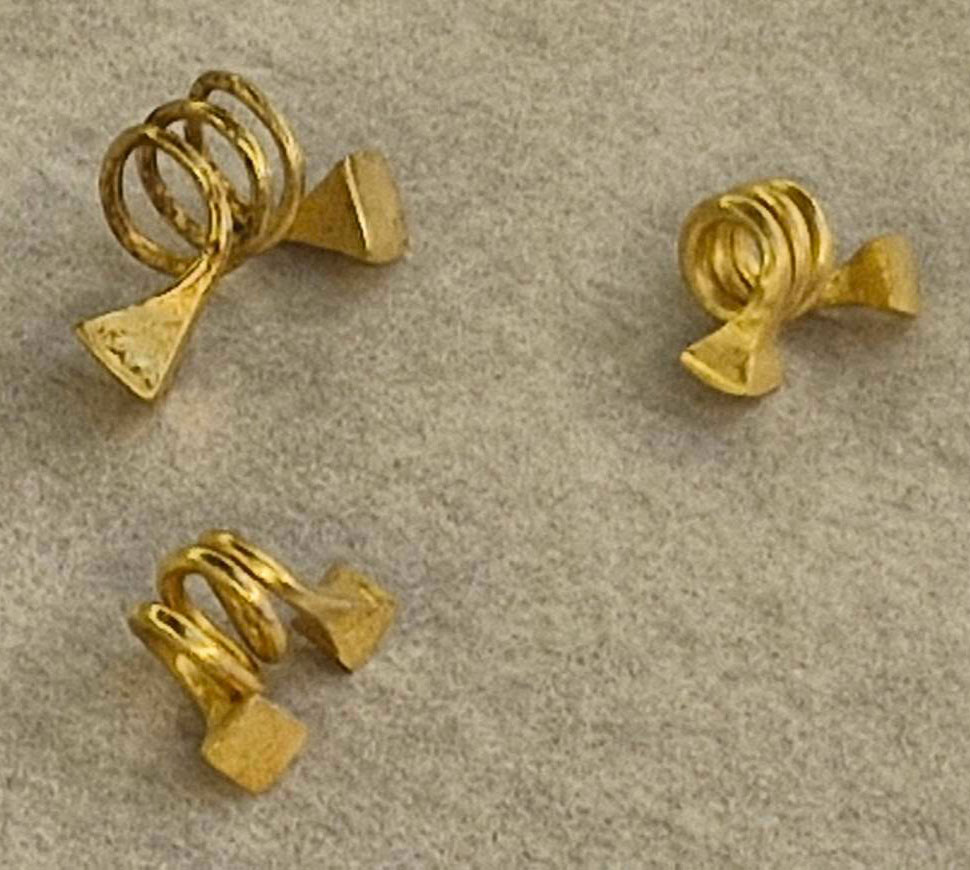
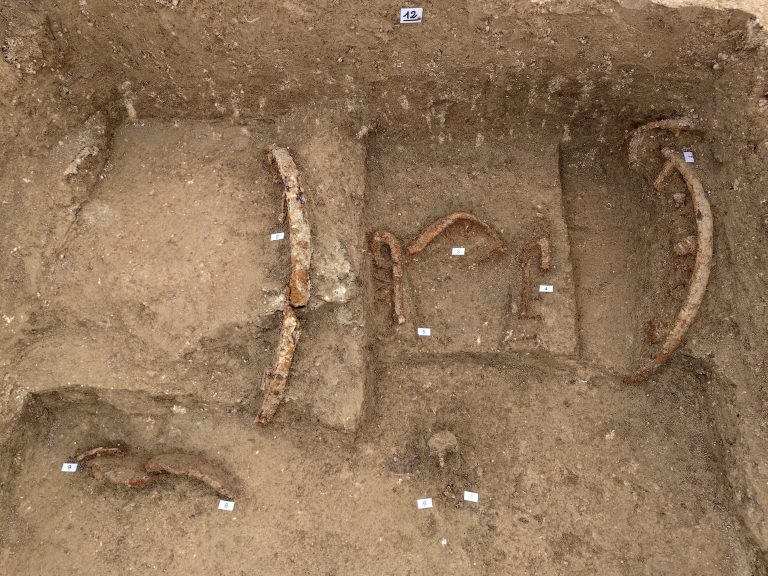
Chariot fragments during excavation, Sirolo, Italy Fibula with an amber core SIROLO, ITALY—A tomb dated to the sixth century B.C. has been discovered within a monumental ring-shaped palisade in central Italy’s Picene necropolis of Conero, according to a report in La Brújula Verde. Fragments of ceramics at the bottom of the palisade’s postholes indicate that…

Deciphering the Enigmatic Issyk Inscription of the Golden Man

Deciphering the Enigmatic Issyk Inscription of the Golden Man In 1969, archaeologists excavating the Issyk kurgan in southeastern Kazakhstan made a discovery that would become a national symbol: the "Golden Man." Among the more than 4,000 gold ornaments and pristine artifacts found in this ancient Saka burial mound was a small, seemingly unassuming silver bowl.…

Early 20th-Century Lumber Mill Excavated in Oregon
Ancient Engineering

Early 20th-Century Lumber Mill Excavated in Oregon

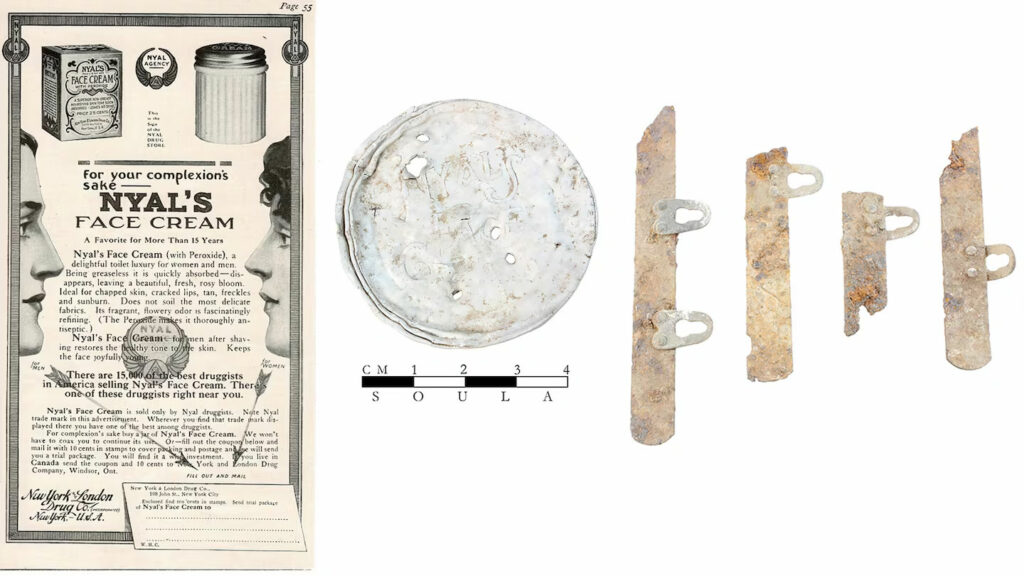
Face cream ad (left), face cream jar (center), and corset stays (right) BAKER CITY, OREGON—Jefferson Public Radio reports that researchers including Katie Johnson of the Southern Oregon University Laboratory of Anthropology investigated the site of the Baker White Pine Lumber Company, which was established in northeastern Oregon in 1910. When the mill closed less than…

Malaria-Causing Protozoa Detected in Medici Remains
Ancient Engineering

Malaria-Causing Protozoa Detected in Medici Remains

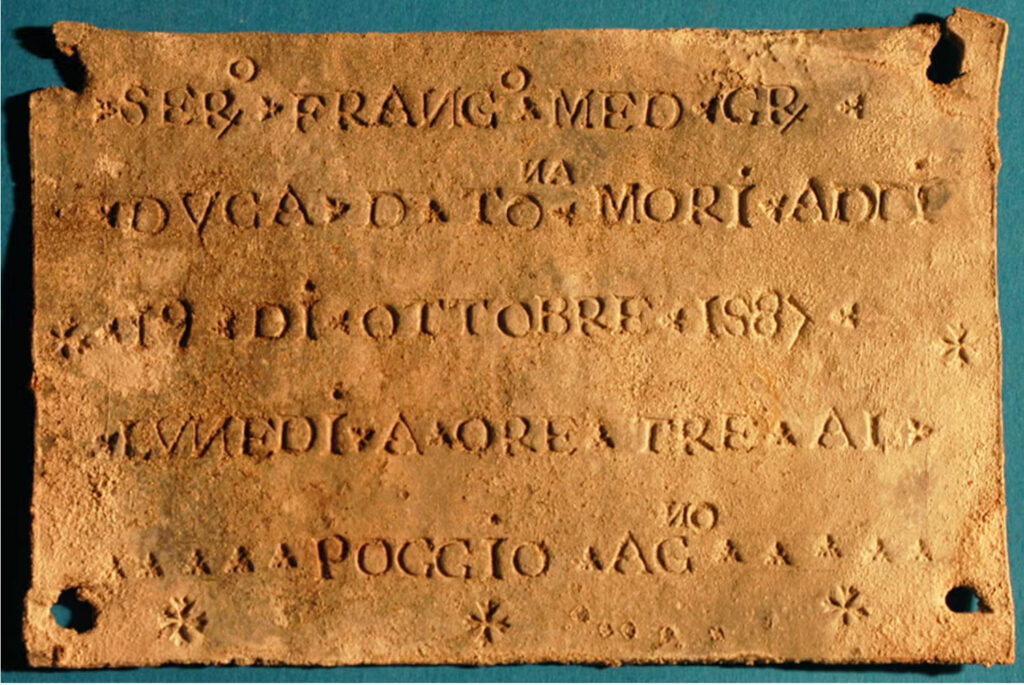
Nameplate from the tomb of Grand Duke Francesco de Medici NEW HAVEN, CONNECTICUT—According to a statement released by Yale University, researchers from Yale University and the University of Pisa identified an unknown strain of Plasmodium falciparum in the bones of Cardinal Giovanni de Medici, who died of malaria in 1562. His brother, Grand Duke Francesco…

7,000-Year-Old Quarry Examined in South Australia

ADELAIDE, SOUTH AUSTRALIA—Stone quarrying at Sugarloaf Hill in southeastern Australia’s Riverland dates back some 7,000 years, according to a statement released by Flinders University. Researchers from Flinders University and the River Murray and Mallee Aboriginal Corporation said that chert and silcrete were extracted from the quarry to make tools and weapons that were likely redistributed…

1,100-Year-Old Mummified Dogs from Peru Analyzed
Ancient Engineering

1,100-Year-Old Mummified Dogs from Peru Analyzed

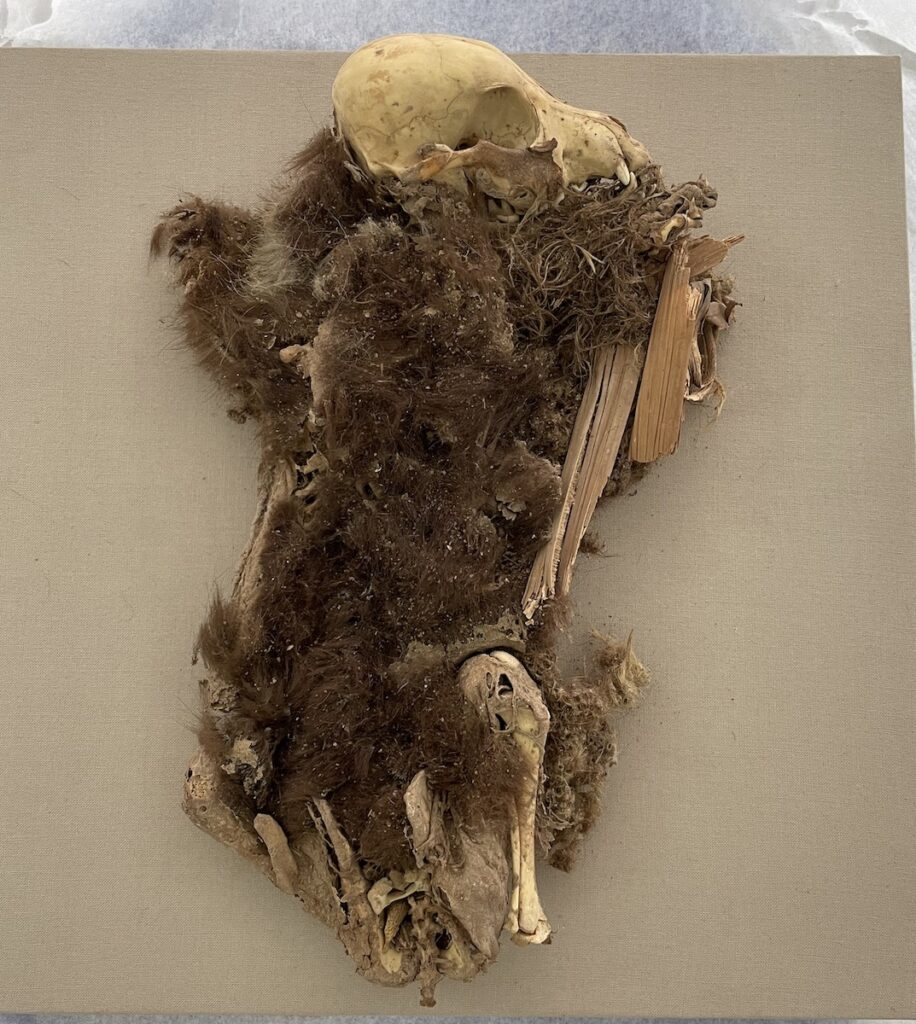
Mummified remains of female dog from Rio Muerto, Peru GAINESVILLE, FLORIDA—Phys.org reports that Susan deFrance of the University of Florida and her colleagues analyzed the remains of two dogs whose burials were excavated in southern Peru's Moquegua Valley. The remains of the dogs, buried some 1,100 years ago by people of the Tiwanaku culture, were…

Human DNA Detected on Cave Walls
Ancient Engineering

Human DNA Detected on Cave Walls

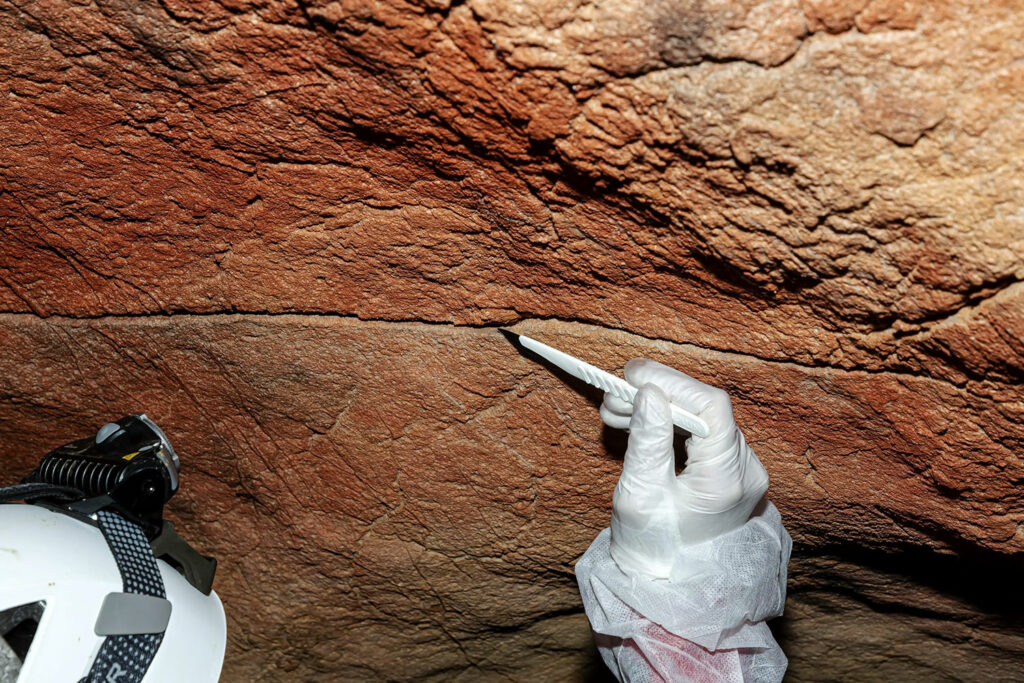
MAÇÃO, PORTUGAL—Prehistoric human DNA has been detected on cave walls by an international team of scientists, according to a report in The Portugal News. Sara Garcês of the Institute of Earth and Memory and the Polytechnic Institute of Tomar said that more than 50 samples were taken from 24 rock art panels in 11 caves…