Wednesday, October 14, 2026

Dinosaurs became giants — so why did they never become tiny?

Dinosaurs conquered the land at enormous sizes, but strangely, they almost never evolved into truly tiny animals. New research suggests that physiology alone can’t explain this missing miniature end of the dinosaur spectrum—and that early mammals may have been partly responsible. While dinosaurs kept mammals from becoming large, small mammals may have returned the favor…
Why Were Men Shackled Together in Mass Grave Near Athens?

ATHENS, GREECE—According to the Greek Reporter, new analysis is refining archaeologists' interpretations of a shocking discovery made a decade ago during excavations in the Phaleron Delta necropolis outside of Athens. There, they found an Archaic-period mass grave in which 79 men had been laid together, many of them still shackled together at the wrists with…

Bronze Artifacts Discovered at Bottom of Etruscan Well
Ancient Engineering

Bronze Artifacts Discovered at Bottom of Etruscan Well

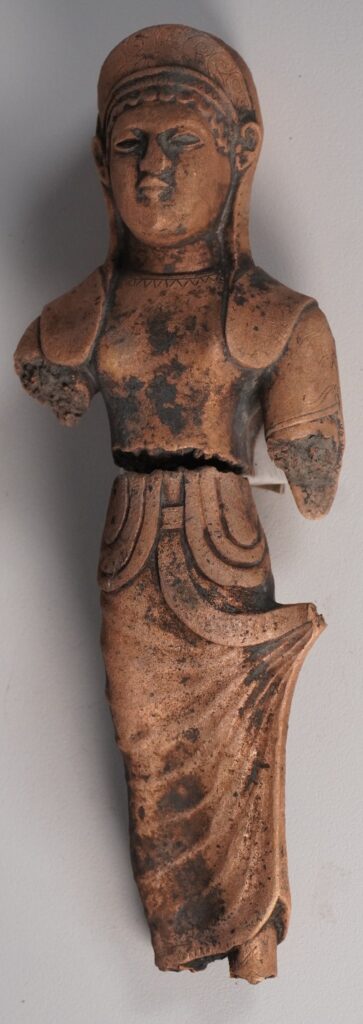
Bronze statuette MARZABOTTO, ITALY—According to a Discover Magazine report, a team from University of Bologna found a trove of artifacts, including bronze statuettes, a bronze plaque, and two human skeletons, when they finally reached the bottom of an Etruscan well. The discovery was made at the site of Kainua near Marzabotto, where the university recently…

Possible Roman Firefighters’ Barracks Located on Caelian Hill
Ancient Engineering

Possible Roman Firefighters’ Barracks Located on Caelian Hill

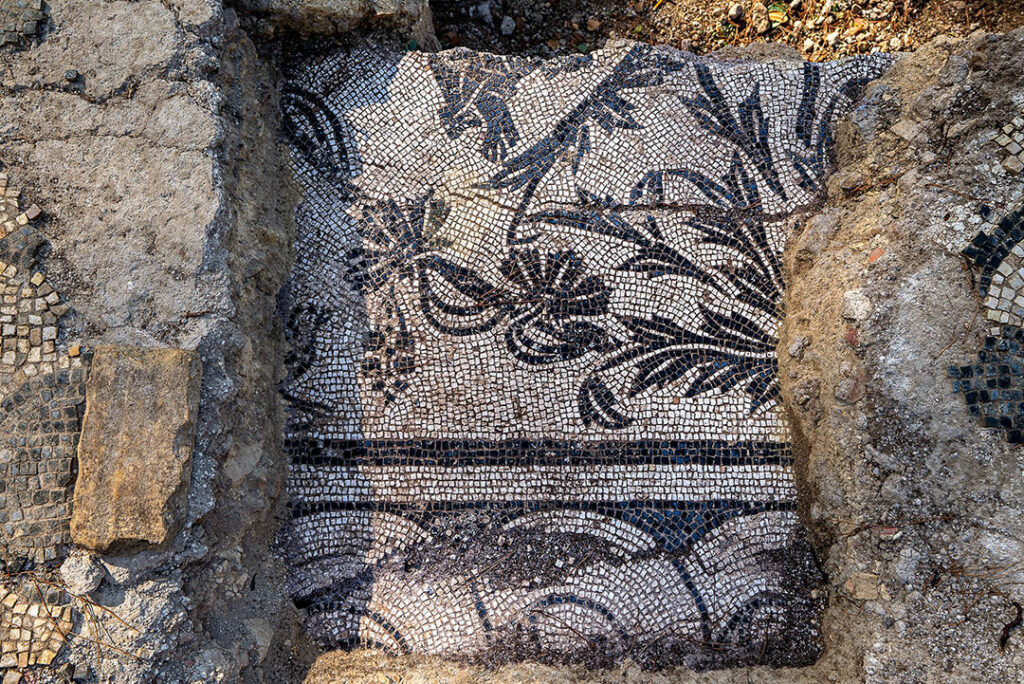
Mosaic, Rome, Italy ROME, ITALY—Reuters reports that excavations in Rome's Villa Celimontana Park unearthed frescoes and mosaics belonging to an important second-century a.d. building. The artworks decorated eight rooms of a monumental complex that once stood on the Caelian Hill. This was a popular neighborhood among aristocratic Romans, many of whom built their luxurious villas…

567-million-year-old fossils rewrite the dawn of animal life

A spectacular fossil site in Canada contains 567-million-year-old creatures that may represent some of the earliest animals to move, reproduce sexually, and develop recognizable body plans. The discovery pushes key evolutionary milestones back by up to 10 million years and suggests complex animal life may have first flourished in the deep ocean.

Bronze Age Hoard Uncovered in Czech Wetland
Ancient Engineering

Bronze Age Hoard Uncovered in Czech Wetland

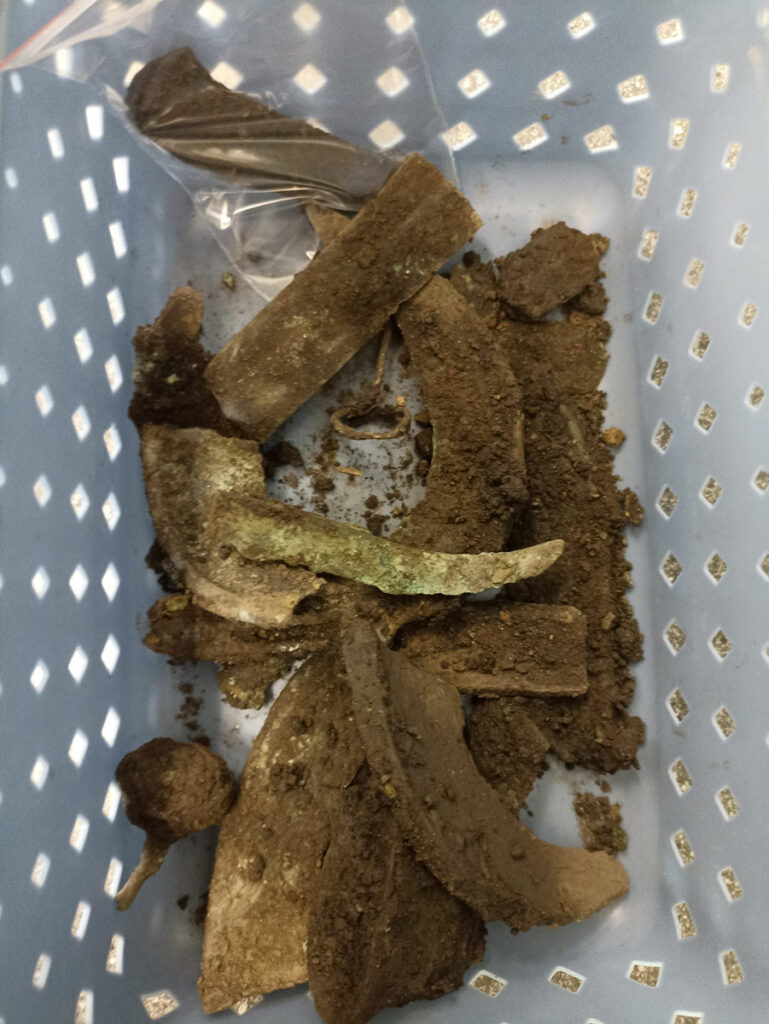
Bronze artifacts before cleaning KOJETÍN, CZECH REPUBLIC—Europe Says reports that archaeologists recovered a hoard of bronze objects from an ancient wetland outside of Kojetín in central Moravia. The rare and exceptional discovery was made while a team from the Olomouc Archaeological Center were monitoring construction work along the Brno–Přerov railway line. Dozens of bronze items…

Rare Native American Vessel Unearthed at Former Spanish Mission
Ancient Engineering

Rare Native American Vessel Unearthed at Former Spanish Mission

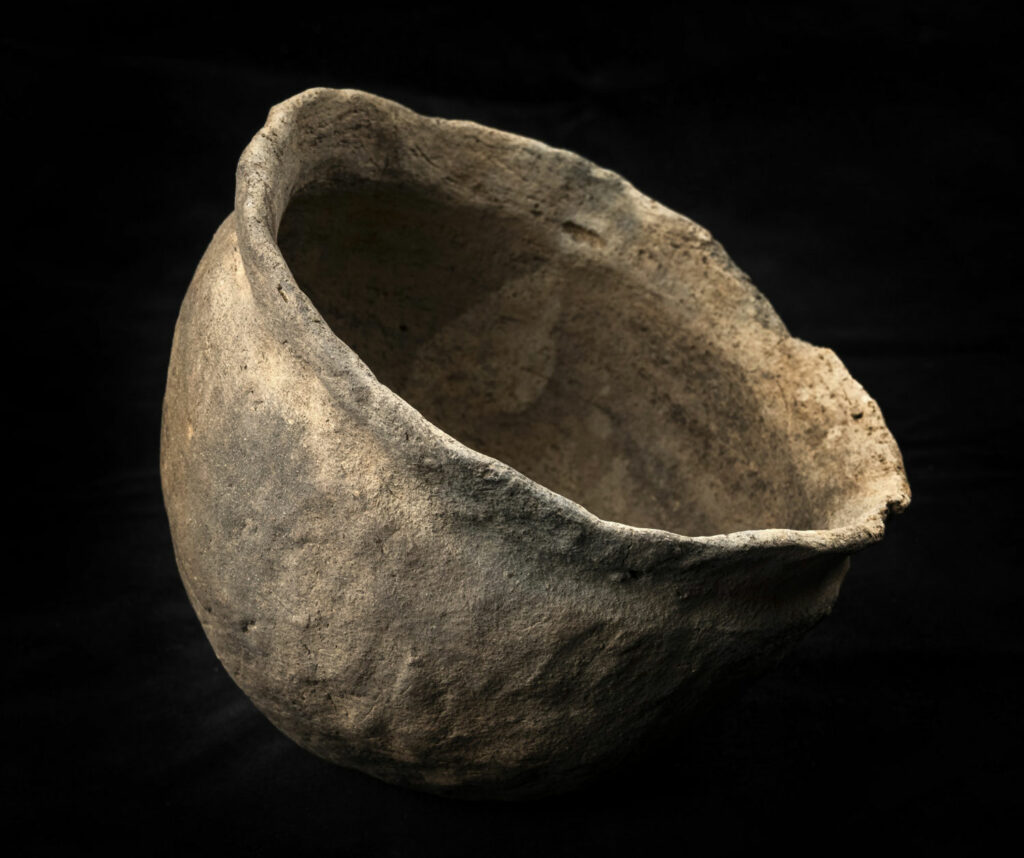
Indigenous vessel with scorch marks on the exterior GAINESVILLE, FLORIDA—According to a statement released by the Florida Museum of Natural History, archaeology students uncovered an exceedingly rare, fully intact Native American pottery vessel at the site of a former Spanish mission located in northwest Gainesville. “It’s very unique. Typically, we find things that were broken…

Unique Statue Found in Western Turkey
Ancient Engineering

Unique Statue Found in Western Turkey

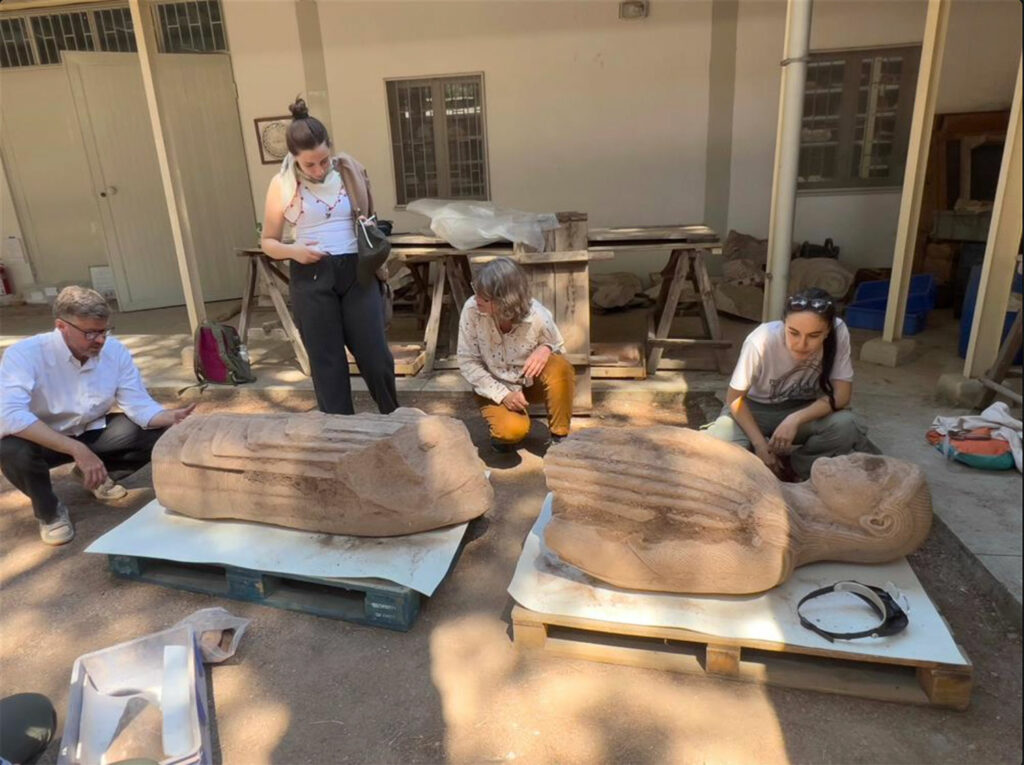
SARDIS, TURKEY—Turkish officials announced that a colossal 2,500-year-old marble statue was uncovered at the ancient Lydian capital of Sardis in western Anatolia, Türkiye Today reports. The larger than lifesize figure—one of the earliest examples of monumental sculpture in the Mediterranean—once stood around seven feet tall and depicts a young man holding a quince in his…