
Tuesday, November 24, 2026
Infants from Roman York Buried in Rare Purple Textiles
Ancient Engineering

Infants from Roman York Buried in Rare Purple Textiles

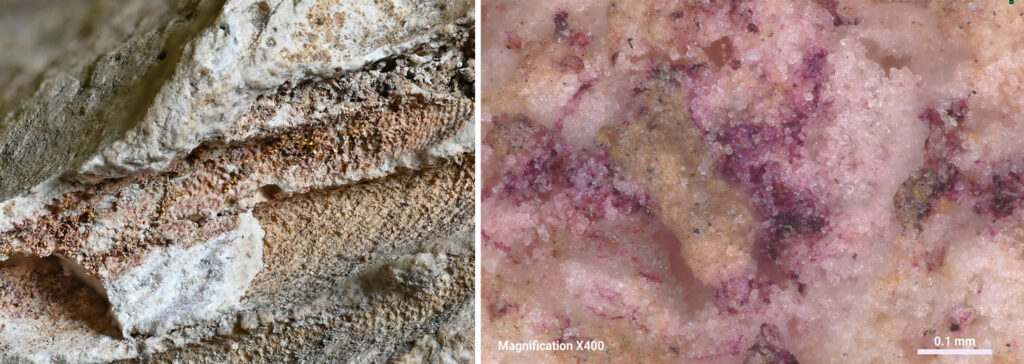
YORK, ENGLAND—According to a statement released by the University of York, researchers have identified rare traces of dyed purple textiles in two Roman infant burials. Known as Tyrian purple, the extremely costly colorant was manufactured by crushing thousands of murex marine sea snails and was typically reserved for use by emperors, royalty, and members of…
IEEE Smart Village Is Helping to Electrify Rural Cameroon

More than 30 years ago, in the mountain village of Mbem in northwest Cameroon, the moon and stars in the night sky were the only light young Jude Numfor knew after the sunset. Electricity had not yet reached his rural community.“There was one person in the village with a petrol generator and a small television,”…

U.S. Repatriates Looted Objects to India
Ancient Engineering

U.S. Repatriates Looted Objects to India

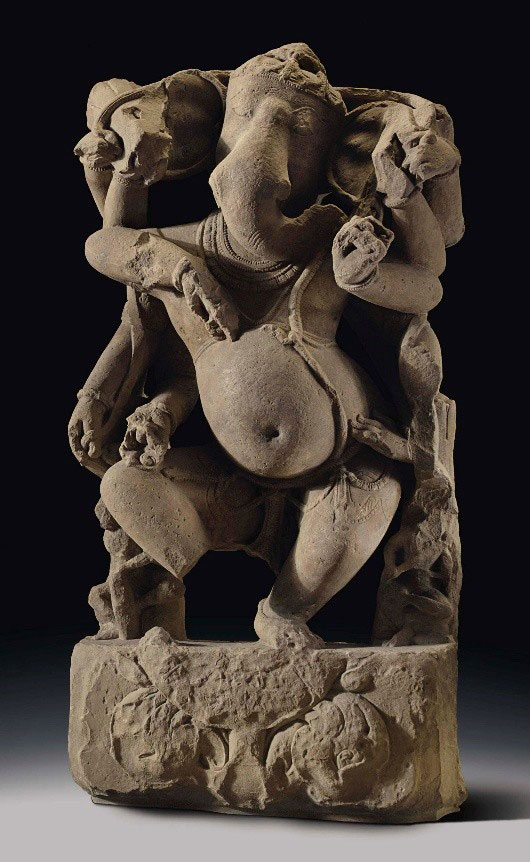
Statue of Ganesha looted from a temple in Madhya Pradesh, India NEW YORK, NEW YORK—According to a report in The Telegraph, the United States repatriated 657 artifacts to India in a ceremony held at the Consulate General of India in New York. Manhattan District Attorney Alvin Bragg said that the objects were recovered in multiple…

Neolithic Bread Wheat Identified in the South Caucasus
Ancient Engineering

Neolithic Bread Wheat Identified in the South Caucasus

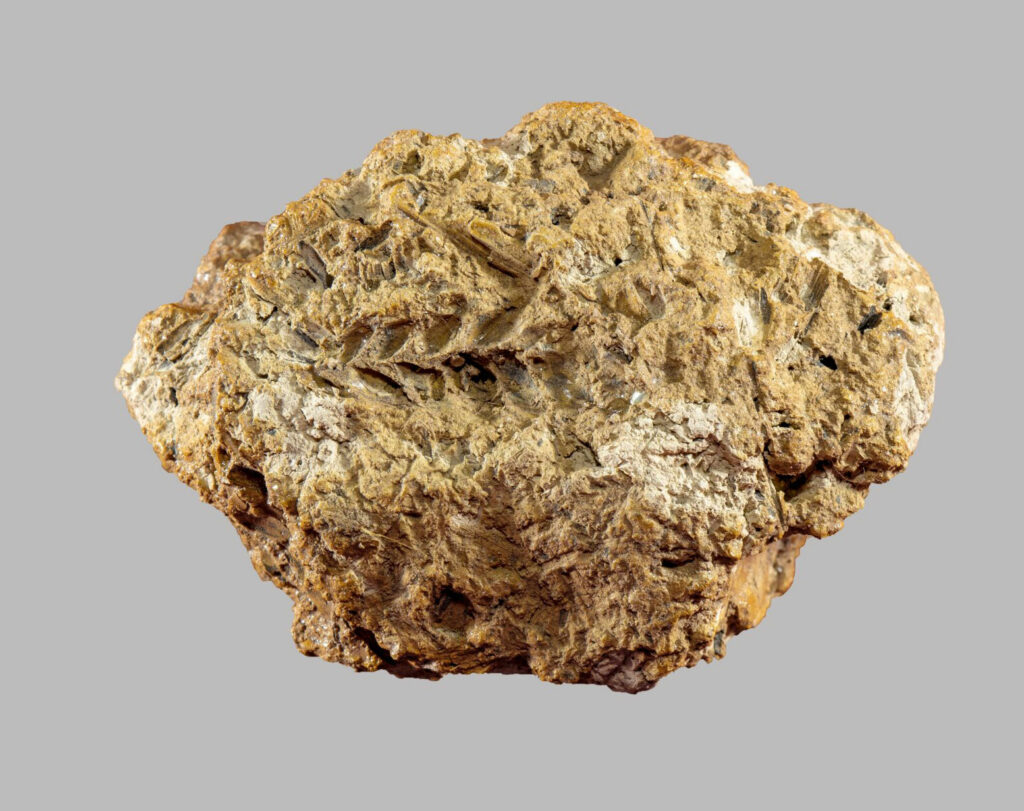
Wheat impression on Neolithic mudbrick, Georgia TBILISI, GEORGIA—Phys.org reports that wheat for baking bread (Triticum aestivum) may have first been grown some 8,000 years ago in Georgia. Genetic studies of modern wheat plants and wild grasses indicate that domesticated wheat and wild goat grass were mixed in the South Caucasus and the Caspian Sea region.…

Researchers Analyze Roman Keepsake From Hadrian’s Wall
Ancient Engineering

Researchers Analyze Roman Keepsake From Hadrian’s Wall

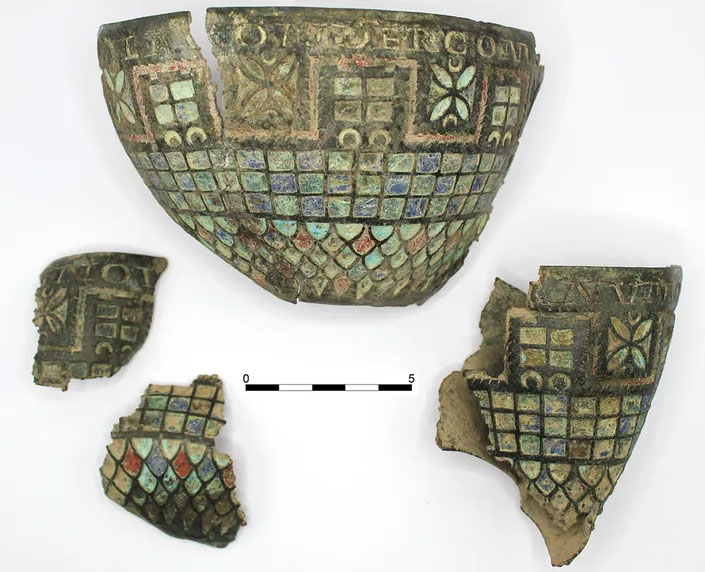
Pieces of the Berlanga Cup BERLANGA DE DUERO, SPAIN—According to a Live Science report, a new study of the Berlanga Cup, a 1,900-year-old bronze vessel discovered in Spain, suggests that its decorations depict Hadrian’s Wall, which is located some 1,200 miles away from where the cup was discovered. “The cup is a small representation of…