


Tuesday, November 24, 2026

DNA Study Targets Maryland’s First Colonists

ST. MARY’S CITY, MARYLAND—According to a Live Science report, scientists including Éadaoin Harney of the 23andMe Research Institute, Douglas Owsley of the Smithsonian’s National Museum of Natural History, and David Reich of Harvard University examined DNA samples taken from skeletons uncovered in the cemetery at the site of the Brick Chapel in St. Mary’s City,…
4,500-Year-Old Alcoholic Beverages Identified in Poland
Ancient Engineering

4,500-Year-Old Alcoholic Beverages Identified in Poland

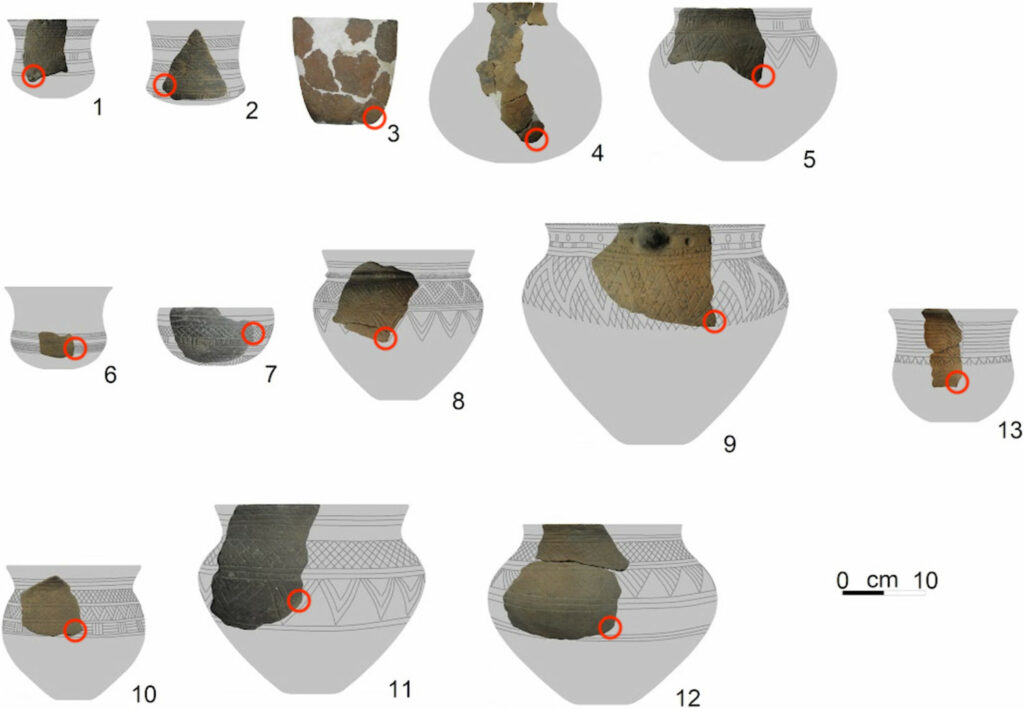
WARSAW, POLAND—Science in Poland reports that traces of fermented alcoholic beverages have been detected on 4,500-year-old vessels uncovered in northeastern Poland by a team of researchers led by Dariusz Manasterski of the University of Warsaw. The 13 vessels in the study were found at several different sites linked to the Bell Beaker culture. The residues…

Agentic AI for Robot Teams

This presentation highlights recent efforts at the Johns Hopkins Applied Physics Laboratory to advance agentic AI for collaborative robotic teams. It begins by framing the core challenges of enabling autonomy, coordination, and adaptability across heterogeneous systems, then introduces a scalable architecture designed to support agentic behaviors in multi-robot environments. The talk concludes with key challenges…

What Makes a Job Dull, Dirty, or Dangerous?

For years, the field of robotics has used the terms “dull, dirty, and dangerous” (DDD) to describe the types of tasks or jobs where robots might be useful—by doing work that’s undesirable for people. A classic example of a DDD job is one of “repetitive physical labor on a steaming hot factory floor involving heavy…

Manchester Code Made Bits Behave

In the late 1940s—when computer engineers were grappling with unreliable hardware and noisy transmission environments—a team of engineers inside a modest lab at the University of Manchester, England, confronted a problem so fundamental that it threatened the viability of digital computing itself. Machines could generate bits, but they could not reliably read them back.The inconsistent…

Neanderthal Dentistry Dates Back 60,000 Years
Ancient Engineering

Neanderthal Dentistry Dates Back 60,000 Years

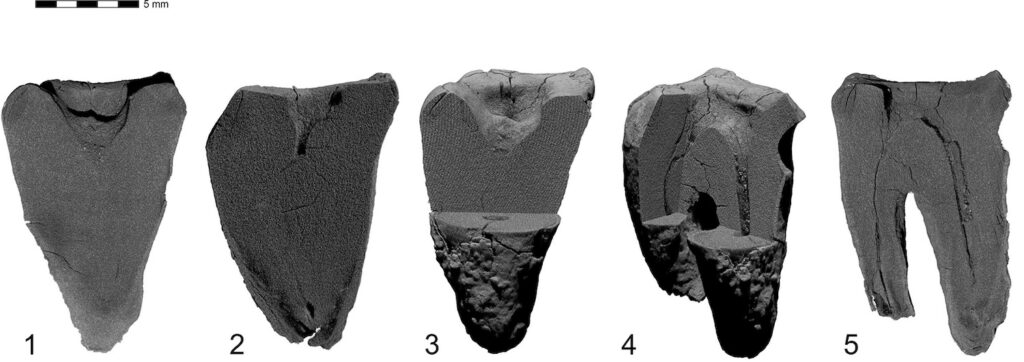
SIBERIA, RUSSIA—According to a CNN report, Neanderthal dentists may have used sophisticated tools to treat toothaches 60,000 years ago. A lone Neanderthal lower molar recently stood out among dozens of hominin teeth, fossils, and other artifacts that archaeologists recovered from the Chagyrskaya Cave in Siberia’s Altai Mountains. The tooth’s crown featured an unusual deep hole…

Plaster Wall from Tut’s Tomb Revealed

LUXOR, EGYPT—Authorities from Egypt’s Luxor Museum revealed a never-before-seen plaster wall from King Tutankhamun’s tomb, The Independent reports. The wall was originally constructed just before the burial chamber was sealed to protect the young pharaoh’s grave from intruders. It still bears stamps associated with the funerary rituals and seals belonging to Tutankhamun as well as those…