
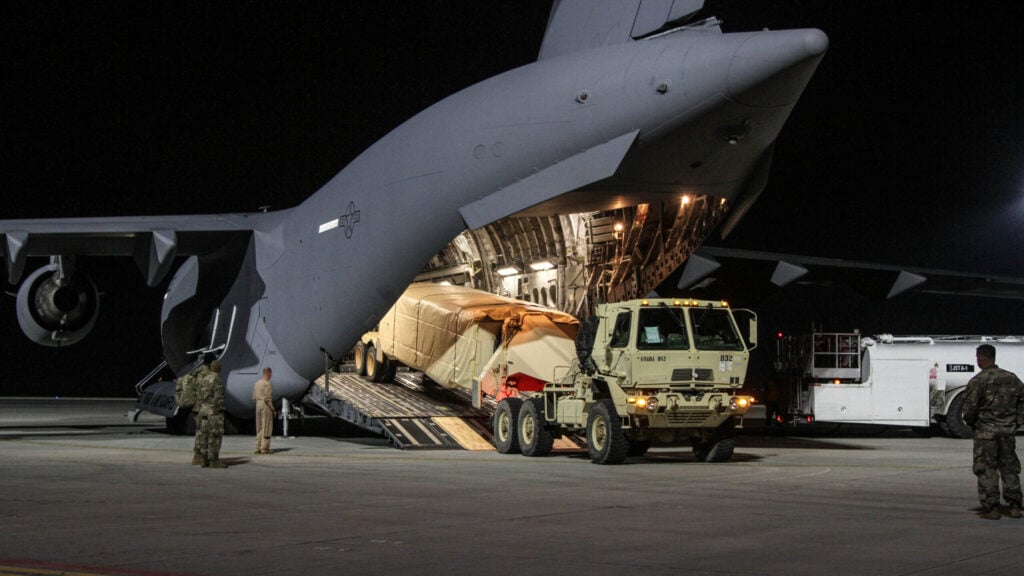
Lockheed breaks ground on new THAAD interceptor plant
“These aren’t just ideas or papers going back and forth,” Lockheed CEO Jim Taiclet said of the Pentagon’s munitions ramp. “We know it’s going to be good, and we know it’s going to happen.”

Maud Turner thought she might finally have found an explanation for the noises. After weeks of knocking in her Oxfordshire cottage, something had begun to…
Read More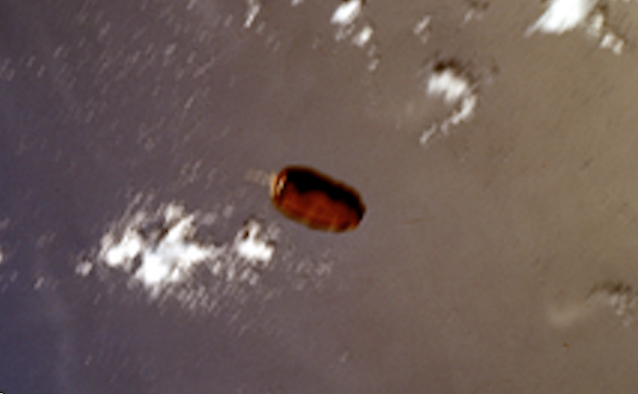
Date of discovery: Nov 24, 2026Date of event: July 18-21,1966Location of sighting: Earths OrbitSource photo 1: https://tothemoon.im-ldi.com/gallery/Gemini/10/10Source photo 2: https://tothemoon.im-ldi.com/gallery/Gemini/10/10First off, the source is an official…
Read More
“These aren’t just ideas or papers going back and forth,” Lockheed CEO Jim Taiclet said of the Pentagon’s munitions ramp. “We know it’s going to be good, and we know it’s going to happen.”
This sponsored article is brought to you by Wetour Robotics.A field technician on a wind turbine, harness clipped, both hands on a wrench, needs to send a command to the diagnostic device hanging at her belt. A logistics worker on a loading dock, gloves on, eyes on the pallet, needs to redirect a connected lift.…
Discover how the ZEISS Crossbeam 750 FIBSEM sets a new benchmark for precise TEM lamella prep, tomography, and advanced nanofabrication. This delivers better resolution, better SNR, larger usable FOV, and shorter acquisition times. Learn how uninterrupted FIB milling will reduce damage and rework, accelerate time to TEM, and increase first pass success—so your FA, yield,…

“[F]uture American space security is at risk. China’s military-led human space flight progression is positioning the People’s Liberation Army to achieve strategic advantage in lunar access, infrastructure, and resources,” Kyle Puma, Mitchell Institute senior resident fellow for space studies, said today.

President Donald Trump had floated the idea of a naval escort months ago, but Adm. Daryl Caudle said today it would be a “very challenging mission.”

Pentagon reporter Ashley Roque shares three things to know about the U.S. Army’s latest aviation plans.
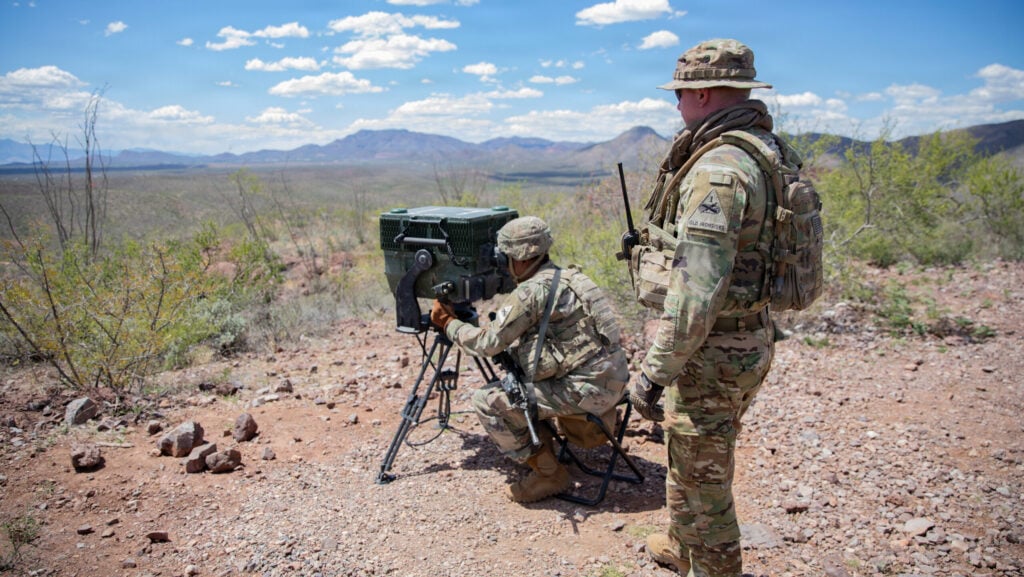
“[W]e have to find places where these kind of more sophisticated projections of force can be rehearsed and can be tested and tried,” Adm. Frank Bradley said.
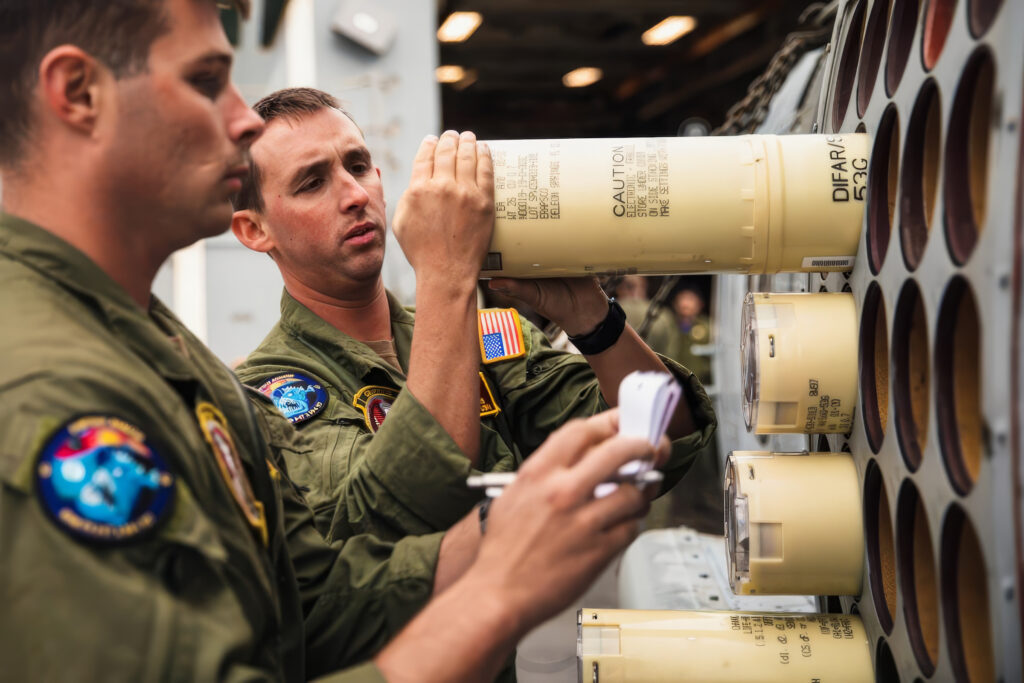
[Sponsored] As adversary submarines grow quieter and more elusive, the Navy turns to a new generation of more capable, connected, and open sonobuoys.
Over the next few decades, billions of autonomous, AI-powered robots will work alongside people in factories, perform tedious tasks in warehouses, care for the elderly, assist in unsafe disaster areas, deliver packages and food to our doorsteps, and eventually help out in our homes. Some will look like us, and many won’t. What is certain…
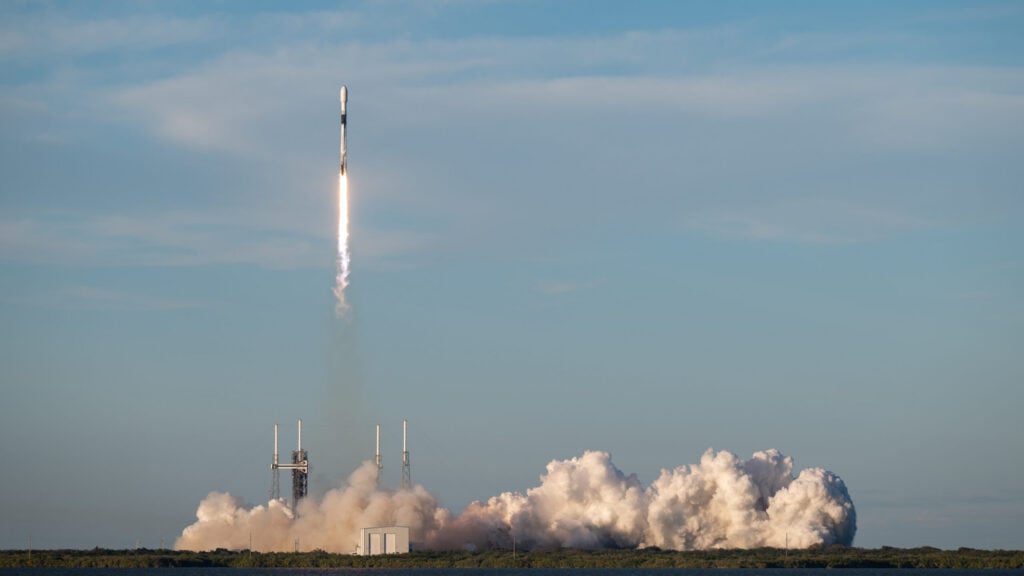
Lt. Gen. David Miller, Space Force deputy for Strategy, Plans, Programs and Requirements, said on Tuesday that the service alone is looking at some 1,000 launches between fiscal 2027 and 2031.