
Tuesday, November 24, 2026
Nazi Ammunition Depot Identified in Slovakia
Ancient Engineering

Nazi Ammunition Depot Identified in Slovakia

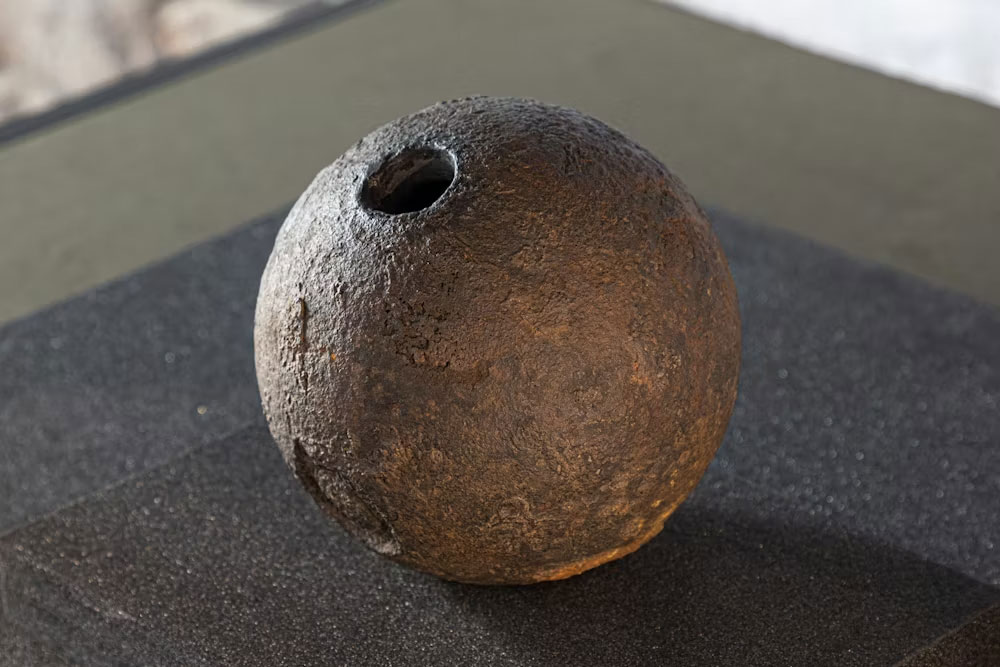
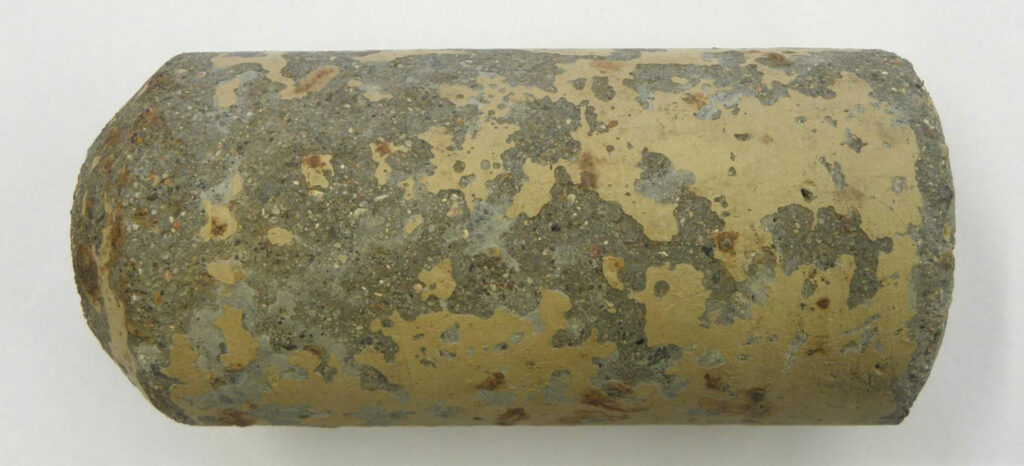
Concrete mine BRATISLAVA, SLOVAKIA—According to a report in The Slovak Spectator, the site of an ammunition depot dating to World War II has been identified outside of the city of Bratislava in the Little Carpathian Mountains. “Based on the composition of the finds, the terrain, and their distribution, we were able to determine that this…
Shipwrecks Mapped in the Bay of Gibraltar
Ancient Engineering

Shipwrecks Mapped in the Bay of Gibraltar

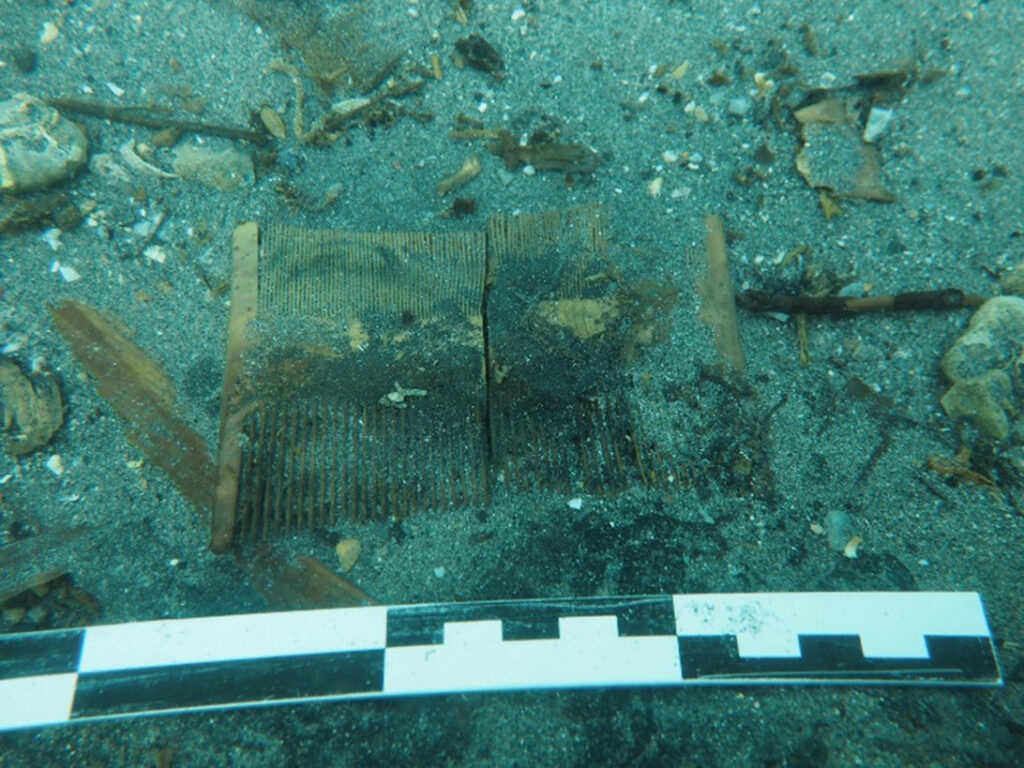
Nit comb found in the Puente Mayorga IV wreck, Bay of Gibraltar, Spain MADRID, SPAIN—The Guardian reports that more than 130 shipwrecks have been found in the Bay of Gibraltar by Project Herakles, a team of researchers from the University of Cádiz and the University of Granada. “It’s one of those bottlenecks through which ships…

This 31-foot “terror croc” ate dinosaurs. Now it’s back

A massive, bus-sized “terror croc” that once preyed on dinosaurs has been brought back to life in stunning detail with the first scientifically accurate full skeleton of Deinosuchus schwimmeri. Stretching over 30 feet long, this ancient apex predator ruled the southeastern U.S. more than 75 million years ago—and now visitors can see it up close…

Tombs Yield Clues to Neolithic Family Structure

CARDIFF, WALES—An international team of researchers has conducted a genetic study of human remains recovered from early Neolithic tombs in northern Scotland and confirmed that the families buried there were organized through the male line, according to a Live Science report. The DNA samples were taken from 22 individuals interred in five different tombs in…

Who Suffered During a Plague Outbreak?
Ancient Engineering

Who Suffered During a Plague Outbreak?

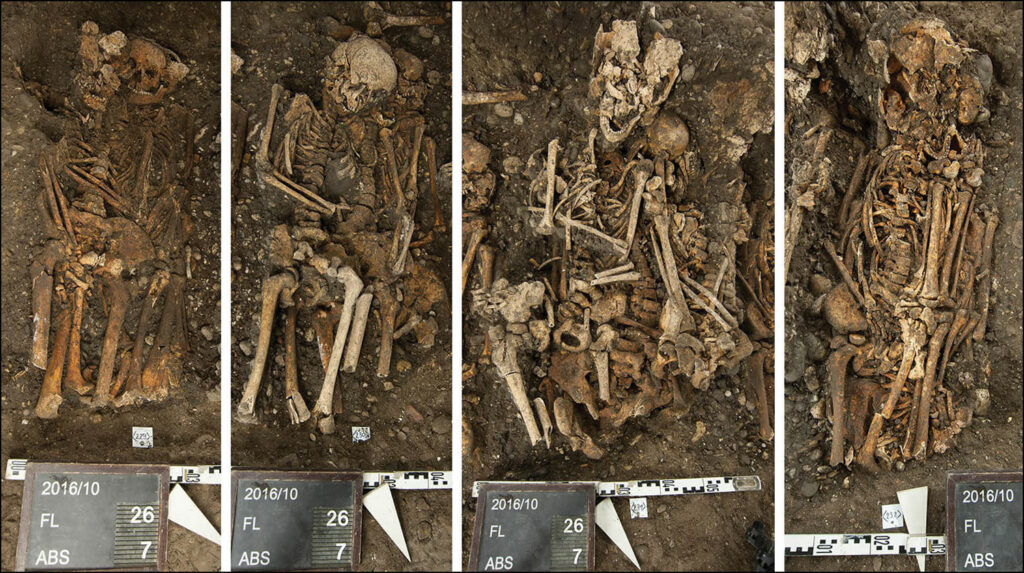
BASEL, SWITZERLAND—According to a statement released by Antiquity, analysis of skeletal remains recovered from a seventeenth-century hospital cemetery in Basel, Switzerland, suggests that young laborers were the people most likely to die during an outbreak of plague. As a trade center that drew people in from abroad, the city of Basel was vulnerable to the…

Mammal ancestors laid eggs, and this 250-million-year-old fossil finally proves it

In the aftermath of Earth’s most catastrophic extinction event, one unlikely survivor rose to dominate a shattered world: Lystrosaurus. Now, a stunning fossil discovery—an ancient egg containing a curled-up embryo—has finally answered a decades-old mystery about whether mammal ancestors laid eggs. Using advanced imaging technology, scientists confirmed that these resilient creatures did reproduce this way,…

Stele Fragments from South Korea’s Wolseong Palace Reunited
Ancient Engineering

Stele Fragments from South Korea’s Wolseong Palace Reunited

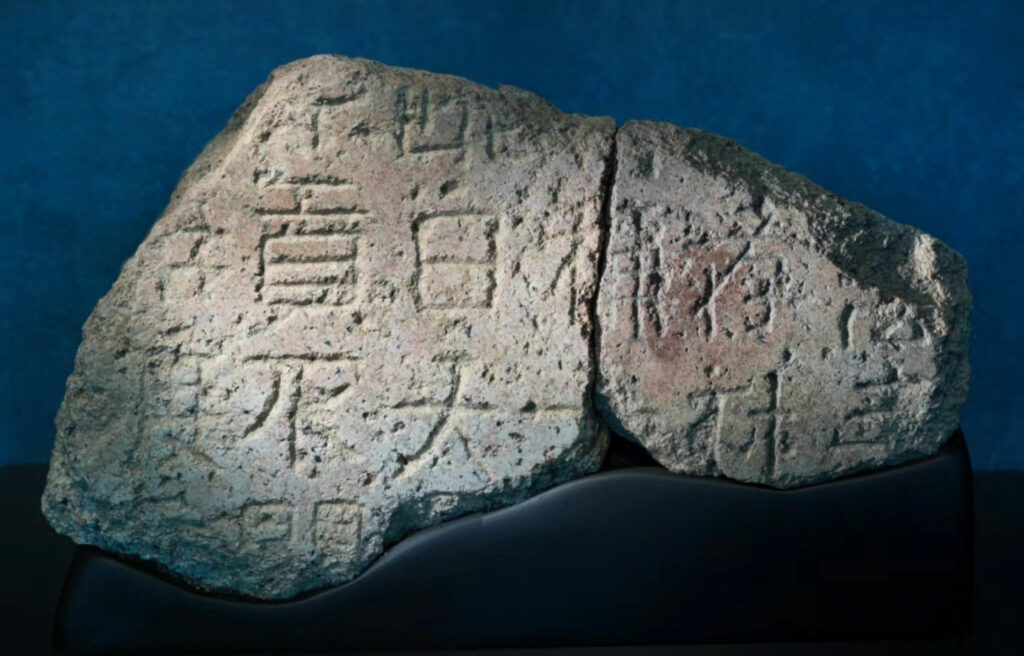
Silla stele fragments GYEONGJU, SOUTH KOREA—Korea JoongAng Daily reports that an inscribed fragment of stone discovered in 1937 at the Wolseong Palace in southeastern South Korea—and another, larger fragment discovered in 2020—belong to the same stele. The smaller fragment, found in the western section of the palace, has been housed at the Gyeongju National Museum.…

Aqueduct Uncovered at Roman Army Camp in Slovakia
Ancient Engineering

Aqueduct Uncovered at Roman Army Camp in Slovakia

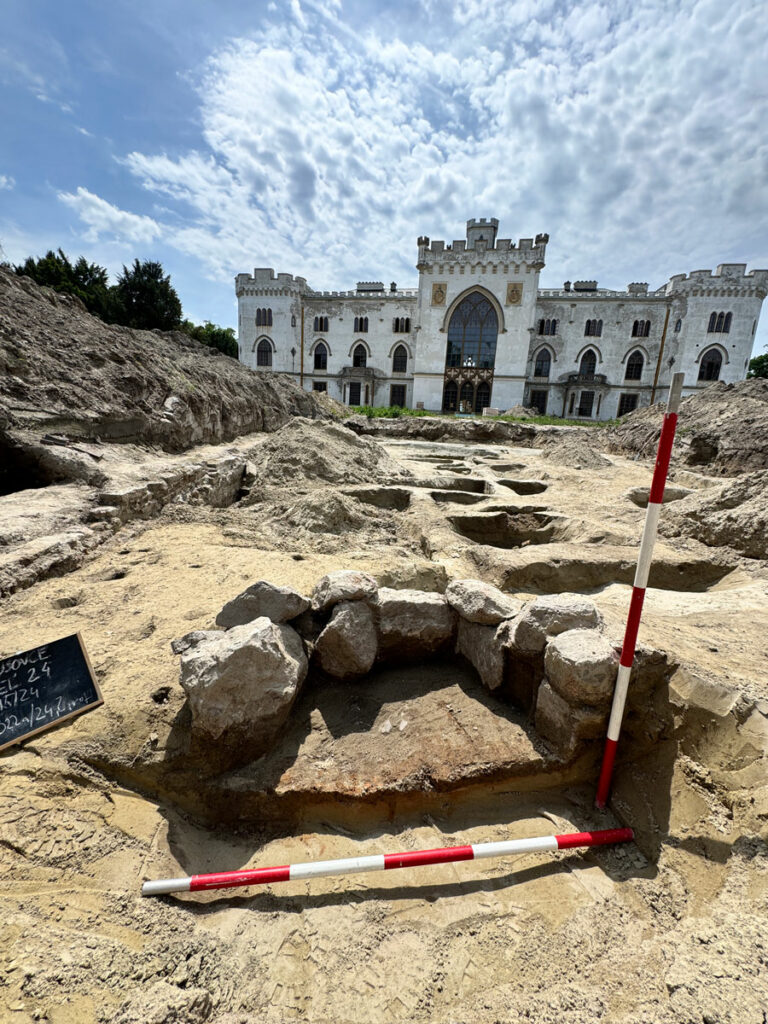
Excavation of Roman aqueduct, Rusovce, Slovakia BRATISLAVA, SLOVAKIA—The Slovak Spectator reports that a second Roman aqueduct was discovered in the Rusovce section of southern Bratislava during renovations at the Rusovce Chateau. A Roman camp housing some 1,000 soldiers stood on the site from the second century to the fourth century A.D. “We can now speak…